Creating estimates and plans can be tough, especially if you
don’t have the time to do them well. But, if you’re working on a
team, you should leverage them. In this episode of Time Limit,
Brett interviews best selling author, international speaker and
CEO of Priceless Planning, Dr. Sidjae Price, about ways to get
to well-rounded estimates and plans with teams. But it’s more
than that. In fact, this conversation covers:
Resources mentioned in this episode:
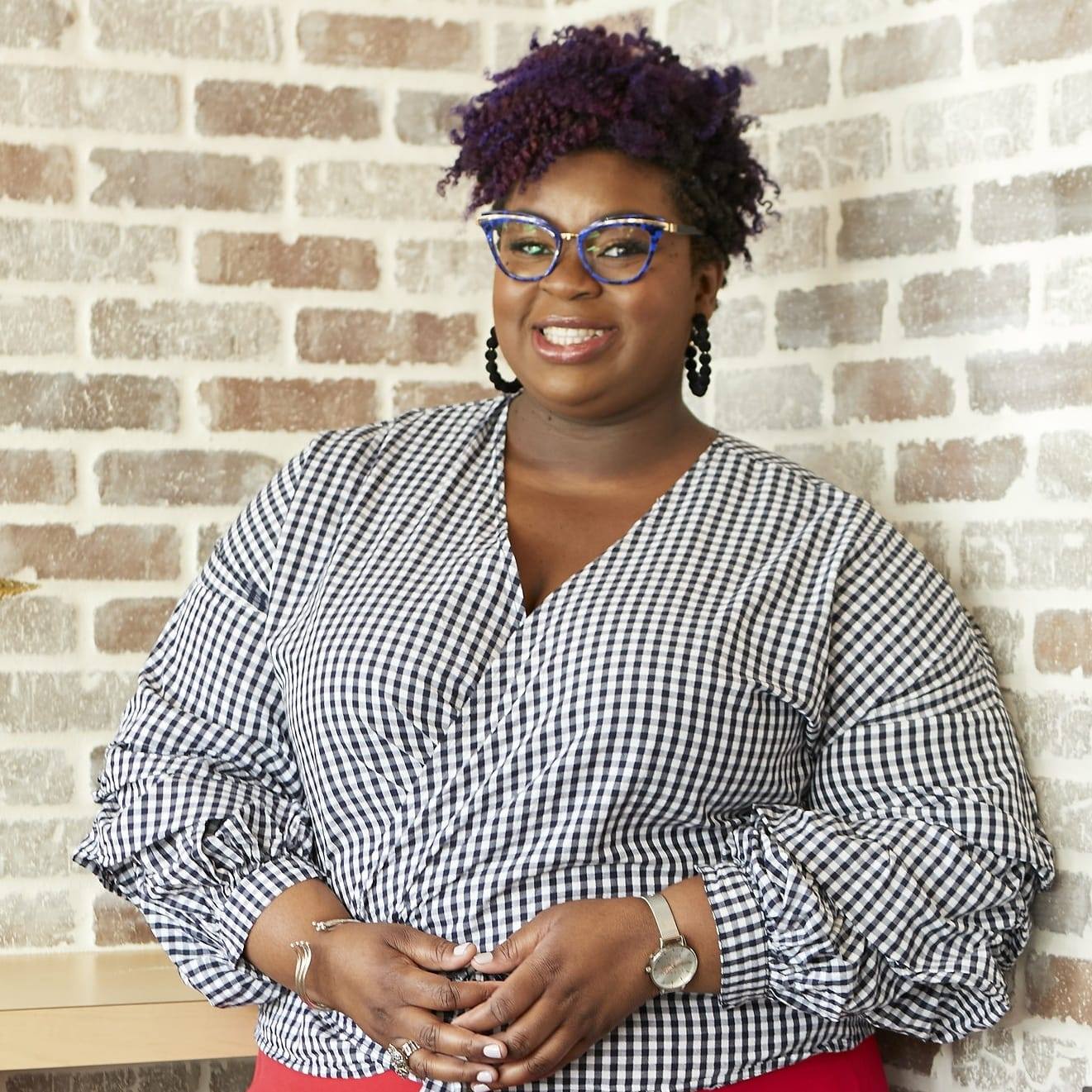
Dr. Sidjae Price is a best-selling author, speaker and entrepreneur. She helps modern entrepreneurs go from chaos to clarity by creating easy-to-follow, actionable steps to clean up the “behind the scenes” messes of business and life, resulting in thriving businesses and more family and personal time.
Dr. Price is the CEO of Priceless Planning, a boutique business consulting agency, and Founder of Speak Loud Inc., a youth-based nonprofit organization. Before creating Priceless Planning, Dr. Price worked for government agencies and a private university where she facilitated policy creation and implementation, employee training and program development. Before creating Speak Loud Inc., Dr. Price aided and led a mission trip to Cuba, and has also volunteered with other organizations and schools throughout the United States and the Caribbean.
Dr. Price is a qualitative researcher who is passionate about organizational conflict. Her research has explored the management of organizational conflict regarding leadership and change management for generation X and Millennial entrepreneurs.
Website:
sidjaeprice.com
LinkedIn:
linkedin.com/in/sidjaeprice
Twitter:
@SidjaeP
Brett Harned: Hello and welcome back to Time Limit, the
TeamGantt podcast that's all about being productive with the
time that you've got. Today I'm happy to welcome Dr.
Sidjae Price to the show. Dr. Price is the CEO of Priceless
planning, a boutique business consulting agency, and she's the
founder of Speak Loud Inc, which is a youth-based nonprofit
organization. I was happy to sit down with her to hear her thoughts
on estimating and planning and how to engage your team around those
activities. Give it a listen. Dr. Price, thank you so much for
joining me on Time Limit today. It's great to have you here.
Sidjae
Price: I am happy to be here.
Brett Harned:
Awesome. I want to jump right in and start talking about your
consulting business, Priceless Planning. I absolutely love that
name. It's just so perfect and so fitting. On your site you say
that you found many modern entrepreneurs, business owners and
leaders were operating their business in chaos and without
implementing effective systems, strategies and structures to grow
and sustain their business. That really hit home for me. I think in
my experience I've absolutely seen a lot of that, and I'm
just curious, in your world, and working with those clients, do you
have any thoughts on why that happens?
Sidjae Price:
I definitely believe that that happens because organizational
leaders, company leaders, founders, they just want to start and make
a profit. So in the midst of all the hurry to see a profit, they
often neglect to remember the small details of a business, which are
the systems, strategies and structure. And while those are small
details, it is definitely still important, as just like a game of
Jenga, let's say. One slight tumble and the whole thing can
come coming down. And this is why you often see big companies
commonly in the media with lawsuits within their first few years,
and having to do a company restructure and retraining and all that
stuff, is because when they just started they were so concerned
about profit and forgot to look at the small stuff such as the
strategies, structure and systems.
Brett Harned:
Yeah, absolutely. I think, too, one of my kind of thoughts on that
is that folks aren't necessarily trained in project management
as business owners. Like, let's say I want to start my own
design agency. I'm probably trained as a designer and I'm
great at that, but I'm not trained in how to run a business or
even how to run projects. Have you seen kind of any trends in terms
of education for business owners or even folks who are getting into
project management?
Sidjae Price: I don't see
much training as far as in project management, but I do know that
there are great softwares out there in which individuals can use,
and what I always recommend is if you're good at business, then
get someone to help do the project management, or vice versa.
It's kind of like how within a company, you know you need an
attorney, you know you need an accountant, so because you're
not good at everything, it's definitely best to get the help or
get the education. But I know a biggest trend that I would say
that's there around project management has been the increase in
YouTube tutorials. That's something that I've definitely
seen a lot of and I find them to be very useful and I've shared
even some of those with individuals or clients to help them as well,
as far as engaging education on project management.
Brett
Harned: Awesome. I hope that you've seen the ones that
we've been doing here at TeamGantt. It's called The Art
and Science of Leading Projects. It's a 14-class video course
about project management, so I'm really excited about that.
Anyway, one of the topics in that is around estimating projects,
which I want to kind of dig in a little bit more with you, but what
for you, like with the clients that you're working with, even
in the work that you're doing, what do you see as maybe the
single most challenging part of estimating projects?
Sidjae
Price: I would say the challenging part in estimating projects
would definitely be the timeline. It's difficult because things
happens, and with that the timelines can change. And so I find it to
be important to avoid these challenges, to give yourself some wiggle
room in planning a project. What I like to do is, let's say
that I know a project is due by Friday, I normally plan for the
project timeline to be completed at least one week before.
Especially if I know that we are in ... I'm based in Florida,
so in Florida, we have hurricane seasons, or we know like it's
our rainy season so we're always having power outages, or you
look into stuff like that and then you base your project timelines
kind of around not just in-house, events but also weather events
that can also happen. So I like to just say be realistic as much as
possible in planning for the projects, and that can help with some
of the challenges.
Brett Harned: Right. So
basically when you're estimating for a project, think about the
amount of time it's going to take you to get that kind of task
done-
Sidjae Price: Absolutely.
Brett
Harned: ... but also account for all of the things that could
happen around that task.
Sidjae Price:
Absolutely.
Brett Harned: Yeah, I think that
absolutely makes sense. Can you talk a little bit about maybe the
types of issues you've seen business people run up against when
it comes to estimating projects?
Sidjae Price: I
have seen the issues that most business people run up against would
be the issues with the team members, and it's kind of because
we are in this multigenerational workforce where we have Gen Xes,
Millennials, and a few Baby Boomers still in there, and so in doing
that, you find that everyone kind of likes doing things differently
in how they get their projects completed, so that is the biggest
thing. So the main thing is that you'll sometimes find that
project managers are assigning individuals tasks that they
don't necessarily like, and when you do things like that, you
are leaving your team members not connected to the project, and so
they don't feel excited to do the work, to complete the work
that's needed for the projects. Ideally, this is going to cause
them to slow down the time in getting the deliverables of the
projects to you because they're not connected to the project.
So in summary, assign your team members of your projects a task that
they like.
Brett Harned: That they like or
they're they're suited to, if their specialty in different
areas.
Sidjae Price: Exactly. Yeah.
Brett
Harned: Yeah. I think when you're in a group of people,
whether they're multi-generational or not, figuring out what
they're really good at, like let's say I've got a
team of seven designers and they all could do pretty much all of the
tasks in the plan, I like the idea of sitting down and talking to
them and figuring out where their interests lie, what their
strengths are, what their weaknesses are. Are there any questions
that you might ask people to kind of get down the right path to find
out more about them? Because I think it's a really personal
thing.
Sidjae Price: Yes. It is a personal thing,
because I'm sure I like what you said about having that
conversation, because it's good to know what's going on in
even the person's life, because clearly if you have, let's
say, a woman and she's pregnant, you know if she's going
to be due any day, then clearly perhaps not give her the most
important role, because anything can happen. Or if you have someone
that's going through a rough time in life, then maybe give them
something else, you know? So getting to know your team members on a
personal level and connecting that to the type of task that
they're suitable of completing can definitely help.
Brett
Harned: I love that.
Sidjae Price: Yeah.
Brett
Harned: I didn't mean to cut you off, but I totally
agree. I think as with kind of any other practice within running
projects or running a business, I think your biggest risk is the
people, right? The people can take everything down. If you're
not giving people the right tasks or asking them the right questions
or even talking to them about what they need to do, things are going
to go off the rails a little bit.
Sidjae Price:
Absolutely. That's definitely true. And that's why
it's so important, like the team is what you need to complete
the project, because yeah, you can plan it out all you want, but you
need someone to help you execute it.
Brett Harned:
Right.
Sidjae Price: And so they are a valuable
assets and getting your projects completed.
Brett Harned:
For sure. So I want to talk a little bit about planning,
because I think when we're talking about estimating, it's
a little bit about planning too. But obviously at TeamGantt,
we're big believers in creating detailed plans because
that's what our product does. But I'm curious, when you
think about planning, what's your expectation of what
you'll find in a plan? Like is there a certain format of a plan
that you prefer? Are there details that you want to see right away?
I'm curious to know what your expectations are.
Sidjae
Price: My expectations when it come to a plan is to see the
entire vision mapped out on either paper or digital format.
We're now in digital era, so either one that your company uses.
I'm digital, so I like to see the plan, the entire vision for
whatever it is mapped out on the project board, and from that, once
you see the vision, I like to see the details of everything. So
that's what I think about planning. Literally, it's like
you're going to cook and you need a recipe. You need to know
all the ingredients, you need to know what to put in first, so every
single thing is what I expect to see in the planning phase. So the
budgets, the timelines, the roles and assignments, the project
goals, everything. And when it comes to format that I prefer, I
would definitely say that I would rather digital. It's kind of
biased because I'm a millennial, so I would rather digital.
However, I've worked in environments where they're not so
digital, and it could be because of cultural norms or generation, so
everything differs. But I prefer digital, but I'm flexible.
Brett
Harned: Cool. Well, I'm not a millennial, but I also
prefer digital. I just think it's easier to update. It's
easier to share, communicate. But you know, back to your previous
point, there could be people on your team who are not used to
digital formats, and you might have to teach them how to kind of get
up to speed or how to use digital tools in some cases. I'm not
sure if you've ever come up against that kind of challenge, but
I have, and it can be difficult, but I think it's just a matter
of having patience and knowing that not everyone communicates or
likes to be communicated to in the same way, so sometimes you just
have to kind of tweak your approach to make sure that your message
is landing and that everyone is kind of informed and on the same
page on your project.
Sidjae Price: Absolutely. And
that also brings up another valuable point, of being aware of
different human factors and the cultural norms of individuals and
the culture. I've done projects in Trinidad and Jamaica or even
Botswana, and it's different than doing a project in the US. So
just being more aware of that it's not typical to probably go
into another country and expect them to be doing everything like how
we do it, via our phones and the apps and all these things. So
knowing that, okay, perhaps you're going to have to print out
an entire binder of paper.
Brett Harned: Right.
Sidjae
Price: You know?
Brett Harned: Right.
Sidjae
Price: So just definitely being aware of those cultural norms
or personality traits or things like that, it's definitely
going to be important as well in project planning.
Brett
Harned: I think that's so important, because I think
again, people can make or break your project, and if you're not
accounting for those things, then things are going to start to fall
apart very quickly. Do you have any recommendations in terms of,
let's say I am starting a project in Botswana, I don't
really have too much experience with the team, what is the best and
fastest way for me to kind of get in there, understand the team, but
also set the right expectations for how we need to work together and
deliver together?
Sidjae Price: One of the things
that I've worked with, I worked with Neil Katz and Associates
before on a few projects, and one of the things that he always
stresses is getting to know the culture and the people before you
rush into the planning. So not to just go in there with your book
and ready to work, but get to know the people and how they work, and
how their companies is structured, or roadblocks that may occurred
or have occurred with let's say other past projects that
they've done maybe just similar scopes. Doing that research. So
that's definitely what I would say on how to begin. And then
from there, once you have placed yourself into that group, from
there then you can project plan, whether it be digital or on
traditional pen, paper type situation.
Brett Harned:
Got it. Cool. I guess on that note, is there a process for
creating a plan that you might recommend?
Sidjae Price:
My process, favorite process, whether it's digital or paper
is literally creating ... Let's say you have a big project and
you would need to take that project and break it down into blocks.
So let's say you divide that into four blocks, and then from
each block you create a mini plan. What I find is that when you do
it that way, you don't kind of have everything all jumbled up,
and then it also allows for you to easily determine what team member
is going to be assigned to what block. So if you have a marketing
block or a financial block or whatever it is, you'll know,
"Okay, my marketing people is going to be on this section. My
designers are going to be on this section. My tech people are going
to be on this section." And that way you manage it per section,
and it also eliminates the chaos from them having to see things that
they don't necessarily need to see or getting unnecessary
notifications about anything.
Brett Harned: I like
it. Again, you're bringing it back to the people, and I totally
appreciate this, because this is how I think and this is how I teach
project management. It really does come back to catering your plans,
your estimates, and your communications to the people who are going
to be working on the project. So thank you for that. I appreciate
that, because I don't think enough people actually recognize
the fact that project management really is about having really good
soft skills and relating to the people who are working with you.
Sidjae
Price: Absolutely. It definitely is. Without them we
can't complete the projects.
Brett Harned:
Yeah, right? On planning, we all know that plans can change, and in
some cases they can change daily, weekly, however often. Do you have
any recommendations for how to handle that change?
Sidjae
Price: Be open and be understanding, because there's some
things that we cannot avoid, and then yes, there's some things
that's avoidable. And for the ones that we can't avoid,
just be open, be flexible, and then keep clear line of
communications with whomever it may be that you have to deliver this
project to to let them know. And I think keeping that clear line of
communication throughout the project process will also help, god
forbid, that something happens, that it makes it more easier for
them to understand, if something is to happen and the project gets
delayed or anything like that.
Brett Harned:
Absolutely. All right. Last question. I want to talk about how to
handle estimation and planning when you're specifically
strapped for time, and that's really kind of the focus of Time
Limit. It's kind of why we named the show Time Limit. People
are working with limited time and limited resources, and sometimes
way too much work to do. So I'm wondering if you have any
recommendations for people who are under pressure to create
estimates and plans with a limited amount of time and resources?
Sidjae
Price: Absolutely. It would definitely be the to-do list.
Definitely that to-do list and just mapping out one to 10,
hypothetically, of what needs to be done. That's how
you're going to do the planning part, and then the estimation.
If you, let's say, have a week to complete something, then you
may have to change your personal calendar around to get that
necessary time so you can estimate the correct timing and budgets
and everything like that. So I would say definitely if you're
strapped for time, definitely do a timeless project management and
also clear your calendar, as far as in the execution part of the
project.
Brett Harned: Got it. Okay. That's so
helpful. Is there anything else you want to add, or resources or
things you want to pass on to our listeners?
Sidjae
Price: My thing that I would definitely like to add is you
have to plan. My company's name, Priceless Planning, so that is
our specialty. Definitely plan almost every part of your business,
whether you're a small company or a big company, whether
you're tech, whether you're not tech, food industry,
doesn't matter. You need to project plan, because almost
certain you're going to have multiple projects across the board
within your company.
Brett Harned: Awesome. I
completely agree with you. Dr. Price, it's been awesome. Thank
you so much for joining me on Time Limit. I hope we get to talk
soon. If not soon, I will see you at the Digital PM Summit October
20 to 22 in Orlando, where you're going to be presenting.
Sidjae
Price: Absolutely.
Brett Harned: Awesome. See
you then.
Sidjae Price: Alrighty.
Brett
Harned: Thanks.
Sidjae Price: Bye.
Brett
Harned: All right. There you have it. Your team are your most
valuable assets and you need to engage them to make the most
accurate and realistic estimates and plans. I couldn't agree
with that advice any more. I have to say, Dr. Price is a really
interesting person who does really great work, and did I mention
that she's a bestselling author and an international speaker?
Check out the show notes to learn more about her work, and before
you go, I have to ask you one favor. If you're enjoying the
podcast, please share it with your friends and write a positive
review where you get your podcasts. Every single comment helps.
Thanks so much, and I'll see you on the next episode.