It’s true: project management isn’t an easy job. And, depending
on where you work, you can end up feeling like you’re on an
island. So where do you turn when you need to vent, learn
different perspectives, and grow your professional network? In
this episode of Time Limit, Brett talks about project management
community with the organizers of an Austin, TX-based digital
project management meetup. In the conversation, they discuss:
Resources discussed in this episode:
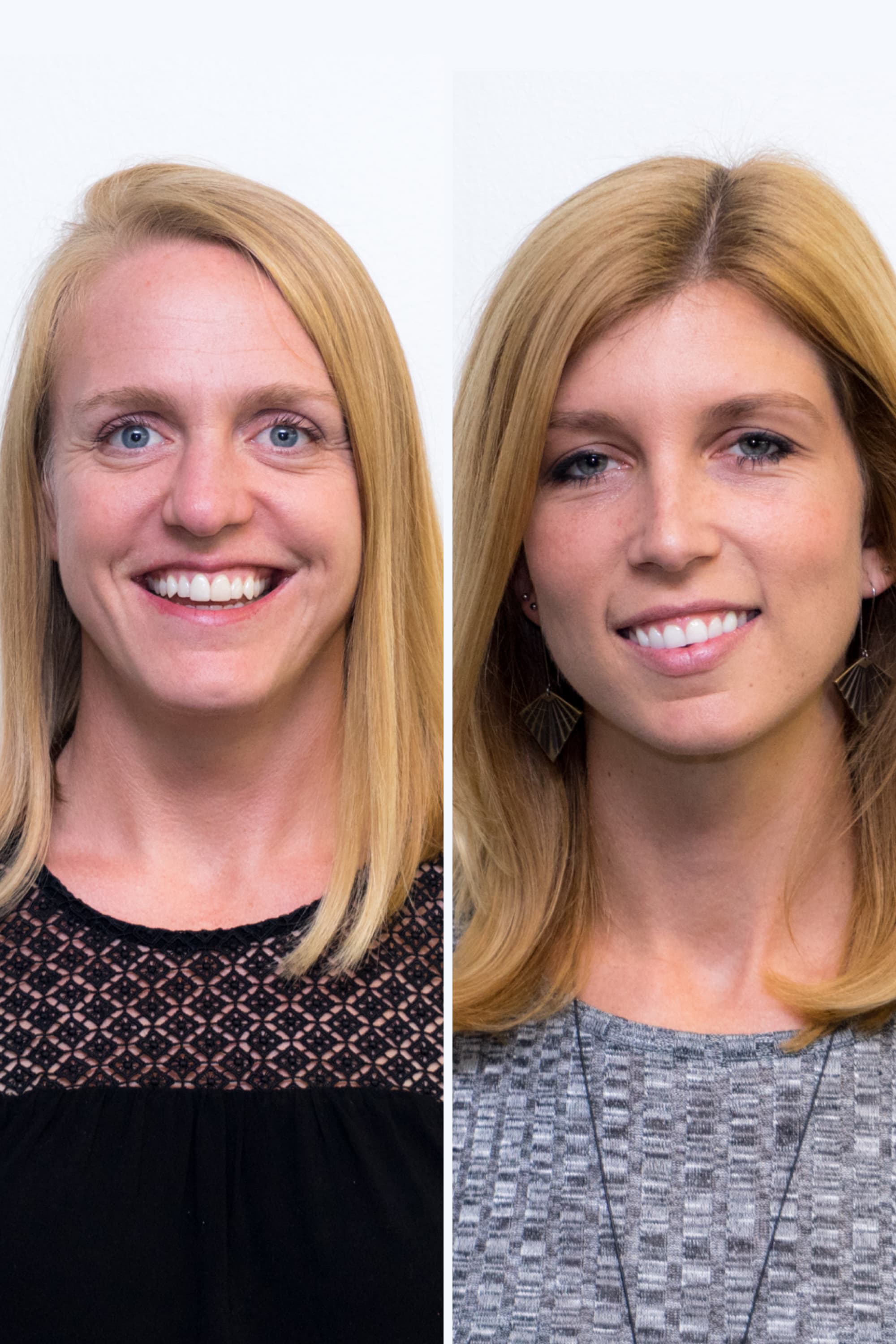
After teaching high school English with Teach For America, Christine Holcombe became a client-facing UX researcher at a growing Austin company. She inevitably transitioned into the role of project manager and has spent the past ten years in digital marketing and design operations. She currently blends her passion for education and project management as Producer on the Human-Centered Design Education Team at USAA. Christine co-founded Austin’s Kickass PM meetup in 2013 after attending the inaugural DPM Summit in Philly. She has a new-found passion for ultracycling, but she still finds time to play lead tambourine in the Holcombe Family Band.
Brett Harned: Hey, welcome to Time Limit. I'm your host,
Brett Harned and today's topic is one that's really close
to me and it's all about PM community. I spent a good amount of
my career speaking about digital project management and also
building a community around it. In 2010, I started a meetup for
digital PMs in the Philadelphia area and I produced the first and
largest conference for the digital project management community
that's called the Digital PM Summit.
So I've
been lucky enough to foster the DPM community and really watch it
grow. It's been a ton of work, but it's also been really
gratifying. So today I'm happy to welcome two folks to the show
who are going to share their own perspective on building community
in project management. Christine Holcomb is a producer on the human
centered design education team at USAA and Tracy Hennessey is the
project management director at a digital agency called Handsome.
Both
of these ladies are a part of the greater digital PM community and
they organize meetups for DPMs in Austin, Texas. If you're
interested in hearing more about the value of community and events
or maybe you're interested in just starting your own meetup.
Keep listening. Welcome Christine and Tracy, how are you both doing
today?
Christine H.: Good.
Tracy H.:
Great.
Brett Harned: Awesome. Thank you so
much for being here on Time Limit. We're going to talk all
about PM community and I personally feel like this is a really
important topic because community can help people to feel supported
in their careers just by making connections with other people in
similar roles. It's definitely something that I've seen
with the Digital PM Summit and of course that kind of thing then
leads to really like furthering knowledge and career growth and a
lot more benefits. So I really love this topic and I'm really
happy to have you here.
Brett Harned: So the two of
you actually run the Kickass PM Meetup in Austin, Texas and I know
that TeamGantt has been a sponsor. I've been to some of your
events and it's a really great group. So I'd really love
to kind of dig into the background on your meetup. Maybe before we
talk about some other things surrounding community and the value of
community. So Christine, if I could start with you. So you co
founded the Kickass PM Meetup and I'm curious like when did you
realize that you wanted to build a community of your own and really
take that step to start with Kickass PM?
Christine H.:
So I started out about six years ago, six or seven years ago
when I attended the first Digital Project Management Summit that you
all hosted in Philadelphia. And at the time I was working as a loan
project manager for a really small company. And so I just
didn't really know that many other project managers. I knew the
PMs of our clients. But that's a different relationship than
someone who is your peer or who is in the same industry as you. So
when I went to the DPM Summit, I was inspired by the sense of
community I felt because that was so foreign to me. Being the lone
wolf PM at my company.
Christine H.: So after the
summit, when I came back to Austin, I reached out to Dina
Fitzpatrick who was another Austin PM at the conference and we had
met actually at the summit even though we were both from Austin. So
I reached out to her and said, "Hey, you want to start a
meetup?" And she said, "Sure." And then we registered
on meetup.com and have been running ever since.
Brett
Harned: Amazing. And how many members do you have now?
It's a crazy number from what I remember.
Christine
H.: I checked last night and I think we have just over 1600
members on meetup.com
Brett Harned: That is
amazing. Meetup is a great tool for meetup organizers for sure.
Christine
H.: It is. It definitely is.
Brett Harned:
Are there any other meetups like Kickass PM in your area in
Austin?
Christine H.: So there are a lot, there are
so many meetups in Austin. It's got a really, really
flourishing meetup scene. So there are a lot for designers and
developers. There's our content strategists meetups, there are
like API developer meetups and there was just a dearth of meetups
for people who are in operations or project management. I feel like
we have the benefit of taking advantage of this really large meetup
scene and then being able to carve out a niche for project managers
specifically.
Brett Harned: Yeah, absolutely. So it
sounds like you went to the Digital PM Summit, you realized you
wanted maybe a little bit more of that in your life with a meeting
with some local PMs, finding some good connections. Do I assume
that's how you and Tracy met? Tracy, how did you kind of get
into the fold?
Tracy H.: Yeah, good question.
So the very first meetup I went to and instantly knew that this was
something that I wanted to be a part of. So originally I came on
right away to help with marketing and other sort of more behind the
scenes support and then afterwards joined in helping schedule and
host meetups. And then when Dina moved away, I stepped in to take
over the main organizing with Christine.
Brett Harned:
Cool. So I'm curious because you know I started the DPM
Philly meetup in Philadelphia when I lived in Center City and that
kind of happened before the Digital PM Summit. And the idea behind
kind of the meetup was to, to meet my people, to meet people who
shared similar struggles, who could relate to the work that I was
doing. Provide some advice, et cetera, et cetera. But finding those
people was tough. So I'm curious, what was your tactic, and
this applies to anybody out there who's really trying to start
a meetup of their own no matter kind of like what the community
would be. How do you get new member members? How do you find those
people?
Tracy H.: In the beginning, one of the
things that we did that was effective was to go to other meetups. So
to go to the designer and development meetups and connect with other
project managers or pitch our meetup to people who were influential
in that design space or the engineering space and then have them
refer their project managers to us or vice versa.
Tracy
H.: So because at the time my network was really small,
when I started at Kickass PM, I had to build that network from the
ground up. So a lot of it was done word of mouth. And then
meetup.com also though I feel like, since we do put on a monthly
event more or less and we've put on a monthly event for almost
six full years. Then we have a pretty solid reputation at this
point. So it started out being very high touch, like I was
personally going out and meeting people. And then I think that doing
that leg work and having the consistency of a monthly meetup has led
us to this point now where we're able to attract members just
through Meetup and word of mouth.
Christine H.:
Yeah. Also, what helps for our meetup is, so we try as a benefit to
the people that are attending to change up the location pretty
often. So each month we try to handle a different digital office
downtown. And so when you do that, you get a new insight of people
in that organization that might not have heard of your group before
that attend and then they tell their friends. And so that variety of
location and variety of host space has also helped a lot in bringing
new people to the fold that realize that it's an awesome group
and stick around.
Brett Harned: Yeah, that
absolutely makes sense. I think, what you're explaining, like
it's a lot of work, right? Like you put a lot of work-
Christine
H.: Yes.
Tracy H.: It is.
Christine
H.: It is.
Brett Harned: Like outside of your
jobs this not something that you're getting paid for. Like
you're basically a volunteer starting a community. How do you
manage that with the work that you've got going on? Not only
working in the office but also at home.
Christine H.:
So this is something that we tell anyone that asks us about
starting in a meetup or building community is that you need a
partner.
Tracy H.: Yeah, absolutely.
Christine
H.: And so I started out doing this with Dina as I mentioned,
and then she moved to L.A., and the timing worked out that when she
moved, Tracy was interested in helping me organize this. But if
Tracy had not stepped into that role, I don't know how I
would've managed it on my own. Because it's something that
takes a partnership or a whole team of people to do and then that
makes it more manageable.
Tracy H.: Yeah. Cause
I mean we all have lives and stuff comes up and you know, generally
we both go to all of our events but occasionally, one of us
can't make it for one reason or another. And so the worst thing
ever would be to cancel something last minute when people are
planning on it and the host has all their content ready to go. And
so it also is a little bit of a risk management tactic to have the
two of us working together so that we can split things up when we
need to.
Brett Harned: Yeah, that makes sense. Can
you guys talk a little bit about the types of events you do?
I'm interested to know like what kind of events or meetup
events really resonate for a project management audience?
Tracy
H.: Yeah, that's a good question. So our events that
we do, we try to have a blend of hard skills and soft skills,
education components. So the goal with Kickass PM and building
community is that we want to give people an opportunity to network
with each other and so we always start with some type of networking,
loose unstructured time for people to just get to know each other
over drinks and snacks. And then we try to have a nice blend of hard
skills. So if we're going through a particular type of tool or
we're showing people how to work on risk management or a
certain very tactical component of the job.
Tracy H.:
Sometimes we also though we'll do things that are softer,
that are more around how to manage up or how to work on dealing with
difficult team members. A lot of those soft skills that are hard to
deal with as you especially move up into more senior level roles.
Having a mix of both of those I think helps everybody become more
well rounded project managers and the soft skill events also attract
people that aren't very tactically a project manager in their
current role. They might be someone who works really closely with
project managers or wants to get into that type of role and needs to
know more than just the brass tacks of being a project manager about
how to do the job well.
Brett Harned: Yeah, I love
that. I think, I love the idea of not just PMs coming to the meetup
and I know in Philly we've had that. We've had engineers
and photographers and event planners and I love that because I think
PM really does apply to everyone in some way. Like even if
you're not specifically a PM in your day to day job, there are
things that you're managing in your role. So I think
that's really cool. And along those lines, I'm curious,
since you've been around for like what six or seven years, like
have you noticed that people have kind of graduated out of the
meetup? Like is there a career path that kind of gets people out of
digital project management and into something else? I'm just
curious if you've made any observations in that area.
Christine
H.: Yeah. I feel like there are a lot of people who,
especially in Austin, in a town that has such a strong technology
industry. A lot of people see their coworkers or friends or spouses
in this really rapidly growing area and see the parallels between
what they're doing, whether it's in the education or event
planning or what have you. And just kind of leveraging that culture
that Austin has. That's now, kind of become ingrained in the
people that live here. That I feel like is different than perhaps in
other cities that might not have as strong of a technology center,
if that makes sense.
Tracy H.: Yeah. I also
think it's less role-specific as much as it is about the stage
that people are at in their career journey. So we have members who
have been floating in and out of the group for the entire six years.
And you'll see people come a few months in a row because
they're either feeling like they're struggling on a
particular thing at work and they want to try to get some PM therapy
out of it with other PMs. Or they're considering what else is
out there as far as options for me in my career or they're in a
lull at work and they have to have sort of mental space to try to
take on learning new things.
Tracy H.: And so
it's really less driven I think by, am I specifically a junior
PM or a senior PM and once I hit this title and I'm out and
more about what's the mindset that you're in at various
times throughout the year? And that's usually, I think, a big
factor.
Brett Harned: Yeah, I think that totally
makes sense. And that's like a perfect segue into kind of
talking about the value of community. So I think that the three of
us clearly see the value. I'm wondering if, you've had to
have conversations with people about ... For instance, let me kind
of back up. When I was at another company at an agency managing a
team of PMs, I would organize a meetup and maybe one of my like team
of five or six PMs would come and I would think, why aren't
these people seeing that there's value in them coming? And I
would always not be offended by them not coming, but just kind of in
the back of my head wonder like, is it something about the
programming or what is it like why aren't people making time
for this? And I'm curious, what do you all see as kind of the
value of the community and what it can bring to people?
Tracy
H.: Yeah, so I think Christine talked about the PM
tendency of being lone wolves and I think going out into the
community to understand what other challenges people are facing is a
really great way to just, I think level set about where you are and
the challenges you face in the context of the field itself. So we
joke about it being PM therapy, but it's really just about, I
think that sense of knowing that there's other people that are
in the same boat as you and you can pick up some like small tips and
tricks that come. I think from getting outside of your own
bubble.
Tracy H.: I run a team of PMs here that
actually a couple I've met through Kickass PM, which has been
super, super awesome. But when you're only interacting with
people within your own company, you don't really get that sense
to ask, not literally, but is this normal? Or like is this actually
how things work elsewhere? That context you really only get when you
talk to people that are outside of your own org.
Tracy
H.: So I think like getting outside of the office and
being out at an event in the evening or in a different time of day
can help you with a different type of comfort and openness. Talking
to other PMs that it's a little bit hard to quantify the value
in that, but I think it helps you grow. And just gut check where you
are immensely.
Brett Harned: Yeah.
Christine
H.: I also feel-
Brett Harned: Go ahead.
Sorry. Go ahead.
Christine H.: Oh, I was just going
to say, I also feel like the project managers are often somewhat of
the unsung heroes of the teams. There's that whole concept of
... I can't remember who said this at a DPM Summit in the past,
but the project management is like air quality. If you can see it,
then you're not doing a good job or something to that effect.
And so there's this you know, historically been this concept of
project managers being behind the scenes and filling the gaps,
moving the team forward, working to get things done, but then maybe
not always being recognized for that because there isn't a
specific part of the project or a specific deliverable that the
public or the end user sees that belongs to us.
Christine
H.: So I feel like in the same sense, because that is the
nature of so many people who work in this field. Then I feel like we
all might sometimes easily take for granted the value or the impact
that we have on our teams. And so it's help building that
community has also been helpful. Just us in reminding one another
like, no, you are important and your contributions are valid. And
even if you feel like what you do isn't seen, it does matter
and it does make a significant impact.
Christine H.:
And there was one of the speakers at the DPM Summit also mentioned
that that like rather than thinking of us as taking a back seat, we
should be bold and this is something that as a profession we should
be better advocates for ourselves.
Brett Harned:
Yeah, I completely agree with you and I'm so glad that you
bring that up because I do think that, that is a huge benefit of
being a part of a community or even just attending a meetup is just
gaining some perspective. Whether you're in a role that
you're kind of like, man, I'm not so sure that this is so
great for me. Or how are people doing this at other companies? Are
there other avenues I should explore? Like there's a lot of
perspective to be gained and I love that you're kind of putting
out there that yeah, you are more than behind the scenes and even if
your company does keep you behind the scenes, that's okay. Like
as long as you're embracing your role and you're doing
what you feel is good and right and it's making you feel good
about what you're doing, then go for it. Right.
Brett
Harned: I'm wondering kind of along those lines, if maybe
you have any success stories you want to share. It sounded like
Tracy, you've met people who you've hired through the
meetup, but I think it's just kind of builds on the idea that
going to events like this can be really, really valuable for your
career. So are there any stories or things you want to share?
Tracy
H.: I think in general, one thing that we've been
doing pretty regularly at our meetup is giving people an opportunity
that might be hiring or that might be looking to call that out. So a
lot of the times that people come to meetups, it's because
they're at that career point where they're trying to think
about what else is available to them or they're in the active
job market. We've had a lot of people that have met someone
through our meetup, come to a later meetup and been like, "Oh
my gosh, so-and-so that talked about that role. They hired me for
it." And that's super awesome to know that we're
helping everybody get connected in becoming better PMs or finding
those opportunities that best fit what they're looking for.
Tracy
H.: Yes, I have two team members that came through the
meetup and that was super awesome and I feel really lucky.
That's not the goal with not just trying to poach people, but
the other thing that I find really successful about the group is
when you see the very tactical application of the things that
we're trying to teach others about. In a day to day. So
I've seen multiple events where someone's taught something
like a format for how to run a retrospective or a way to prioritize
and think about the way to do our work. Where we try to teach those
bite size activities that are specific enough that they achieve a
specific goal but are general enough that you don't have to
just be a project manager that works with this size team and this
type of org. To have it be useful.
Tracy H.:
And we get a lot of people that reach out to us that are like,
"Oh man that retro forum was really, really helpful. Like
I've been using it every month ever since then." And years
later have people come back that have referenced things that
we've taught. And that to me is super validating because it
shows that people are actually getting something out of it.
Christine
H.: Yeah. And to build on that, there's like the tactical
lessons that might be down to like ... We had a meetup once on how
to send an executive email and like that was one of our highest
rated events that we've had because it was so specific to our
members and the people who attend our group. But also hearing from
people about how the group has changed their career trajectory or
they met someone at the meetup who introduced them to someone who
introduced them to someone who hired them as a project coordinator.
Or as an entry level junior PM.
Christine H.: So we
don't always hear that feedback right as it happens. It's
something that has happened, like a year after someone got hired. I
bumped into them at a different event and they were like, "Oh
Hey, you run Kickass PM right. I met someone at your event and they
ended up giving me an introduction that got me hired as a project
manager." So something that you know, I'll be at the Y
with my kids and someone will approach me and be like, "Oh Hey,
by the way, this community like has had a significant impact on my
life." So that is a great reason to continue to do this after
six years. Is having seeing and hearing about that kind of impact to
someone's career.
Brett Harned: Yeah.
That's really cool. I love that. Thanks for sharing those
stories. I think, at the heart of this, like it's about
connecting humans with humans, right? Like finding something in
common that you can talk about and then something that you can take
back to work. And I actually really love the idea of an event around
how to write an executive email. Like part of me feels like the
reason that digital PM does well is because we're not scared to
approach topics that might seem silly to other people. That's a
really important thing to know how to do. And the other part of me
feels like we do those kinds of like more tactical topics because
there's no real training for digital PM. Of course there's
PMI and Scrum Alliance and organizations that provide
certifications, but we're kind of providing a different level
of education than those organizations.
Christine H.:
Mm-hmm (affirmative)
Brett Harned: Do either of
you have any experience with PMI or Scrum Alliance or lines or any
other kind of like project management organization like that.
Tracy
H.: Yeah, so I got my PMP about four or five years ago, I
think at this point.
Brett Harned: Cool.
Tracy
H.: And going through that process is really great. Like I
think in general, although you might not have as much practical
application of all the things you learn in your immediate day to
day, it's a good thing to understand. I think like the overall
skill set and mindset of what is important in traditional project
management. Like learning the by the book, here's exactly how
the rules are supposed to be followed and exactly how these types of
ceremonies are supposed to be run. So I think there's
definitely some value in that. I think that what we do a little bit
differently at Kickass PM outside of like the PMI meetups and events
that happen here in town is that I think our events tend to rely
more on some of those softer or more organic day to day interactions
that you might have. Like there's not a lesson on exactly
...
Tracy H.: Like we did an improv for project
managers, event that was super popular. You're never going to
see something like that in a PMI type of meetup, but the ability to
think on your feet and to jump into a scenario and to be able to
react and feel comfortable in that environment is a super critical
part of a project manager's job. So we try to inject some fun
and excitement and soft skills around that in our group.
Brett
Harned: That's great. Christine, do you think that there
are any other, or have you seen any other like bigger differences
between the more formalized organizations like PMI versus the meetup
or even what we've done with the Digital PM Summit?
Christine
H.: So I feel like there is a ... It's the two different
sides of the coin really. To Tracy's point, Kickass PM is
intended to be much more informal and to present different ideas and
challenges of project managers than would normally be presented in
like the PMI meetup or a part of the Scrum certification training.
So I feel like that is ... But you also can't have one without
the other. So there is absolutely a need for organizations like PMI
and like a Scrum Alliance to have that standard. Those standard
operating procedures or like standard way of working but it's
almost like that is where you acquire the theory of how to run
projects. Or how to implement process with your team. And then our
meetup focuses a little bit more on the implementation or the
practice of some of those principles and values and ideas.
Christine
H.: So I feel like you shouldn't have one without the
other. We couldn't just be like a shoot from the hip Kickass
PM, unless we were drawing on some body of knowledge to inform what
are best practices and what is the best way of working.
Tracy
H.: Yeah. Like I think if it is like going to get some of
those certifications or participating in PMI groups is like learning
about all of the tools in your toolbox and Kickass PM is a little
bit about understanding, which tools do you choose to use on what
projects. And if you decide to use one of the tools in a non
traditional way that, that's an okay way to operate.
Brett
Harned: Love it. I love the way that you're kind of
explaining that. And Christine, like the idea that we kind of
wouldn't be around without PMI, right? Like, there is education
that they provide, whether it's direct or indirect. And I guess
my personal experience, not that you guys are asking for it, but I
actually started the DPM Philly meetup because I had gone to a
couple of local chapter meetings and they were just not really
applicable to what I was doing in digital at the time. And I was
talking to PMs from a lot of different backgrounds and just for me
at the time it didn't feel like it made sense for me to spend
my time going to an event where I'm talking to a project
manager from the construction industry, let's say. So that was
kind of part of why I wanted to start my own group.
Brett
Harned: But then I guess, fast forward around seven, eight
years, I went to the PMI Global Congress with the team from
TeamGantt a few weeks ago in Philadelphia and I got a ton of value
out of it because I think I'm in a different place in my career
where I recognize that, hey, like there's actually a lot to be
learned from those people. Like we might not have direct one-to-one
experiences, but again, like the perspective that they can provide
on a topic that I wouldn't have considered otherwise. It's
just like really interesting to me.
Brett Harned:
So I'm not going to say I'm all on board, but I'm
really interested in like the crossover and I'm hoping
that's kind of where some of these meetups go in the future
because really the community is for everybody. And like Tracy
already proved like a lot of digital PMs have a PMP or a CSM or
whatever it might be.
Tracy H.: Right.
Brett
Harned: So it's cool. I don't know, I just wanted to
say like, I think it's interesting to see where our little
digital community, how far we've come. Because honestly being
at that global conference people are like, "What's digital
PM? What are you doing?" Because people would ask me my
background and I would tell them and they'd be like, "Who
are you? What? You have a book?" Like that kind of stuff. So I
don't know, I just think if we could all continue to kind of
encourage more of like a 1:00 PM community kind of thing. Like it
doesn't have to be all about PMP and the way we learn, but like
drawing from each other's experiences I think is pretty
interesting.
Tracy H.: Yeah, I think
that's totally true. I mean we're even doing an event
coming up in a couple of weeks here in Austin that's like a
mega meetup where it uses PM acronyms in like a more broad sense. So
there's a lot of product meetups and product managers, program
managers, people that span all the Ps and all the Ms in the context
of digital getting together.
Brett Harned: I like
it.
Tracy H.: And this one's very
unstructured. It's basically a party. But again, it like also
opens your eyes to what else is out there. So like we focus on
project and program management and we'll dip our toes into what
product versus project management means so that you can think about
what else is out there. But we like to do these events every once in
a while too. That just gives you the opportunity to meet new people
in a slightly related but unique field.
Brett Harned:
Excellent. So we're coming to a time and I have one last
question for you and I've kind of been doing this at the end of
every episode. Kind of drawing on the fact that the theme of the
podcast is, you know, the name of the podcast is Time Limit, kind of
giving a nod to the fact that we're all working with limited
time and resources that work. And we've talked about how much
time you all spend just organizing. I think on that note, as someone
who has run a meetup and does currently run a meetup, I've seen
that so many PMs will RSVP for the meetup and say that they're
coming and then cancel at the last minute because you'll hear
that work took over their day or there things that they need to get
to. And it's such a bummer as an organizer because you're
also a community member, but you're putting all this time into
like making opportunities for people. Which sounds a lot loftier
than, than what it really is. It's organizing an event and
hoping people show up, but you kind of sit back and think, oh,
people are missing out on these opportunities to further their
careers and to learn and get to know other local people.
Brett
Harned: So all of that's to kind of ask a question of,
what's your advice to those folks who feel like they can't
ever seem to make it to an event? Like are there things that you say
to like try to get people to come out and be a part of the
community?
Christine H.: Something that we hear a
lot is an apology for someone who hasn't been to an event and
like a year. And what we always say is like, "Don't
apologize. We understand that things come up. It's great that
you came back." So you don't have to attend every single
month. You don't have to be running the meetup with us. I would
say like any amount of time that you can give to your own
professional growth and development is worthwhile. So whether it is
one hour or you know five months that you're able to come to
our and meetup, at least you did that and then it's more likely
that folks will come back after that too.
Tracy H.:
Yeah. I think in related there's sort of two things there.
So for the organizers, I mean in reality with a lot of meetups and
events, especially ones that are free. Like you just happen to get
that like 50% RSVP to attendance rate is like just not always an
exact science, but you should just set your expectation and
don't take it personally. It's just that a lot of people,
myself included see meetups and other events and you're like,
"Man that sounds really awesome. Yes, I'm going." And
then in reality when the week comes up, I might be traveling or just
life gets in the way.
Tracy H.: So I think like
to organizers, you have to just not get discouraged. If you
don't get the headcount, like plan appropriately in the same
way that email marketers understand that not every single person is
going to open and click on their email. Like you have to have the
right expectation about who's going to be there. But again,
like Christine said, there's no shame in not being there all of
the time. Like definitely the apologies are completely unnecessary
because anything you do is really great. And then, if you can't
come to a meetup in person, like for us, very tactically like a
meetup is meant to meet up in person. So it's hard to digest
all of the content that you might learn without being there in
person. But there's lots of other ways that you can just try to
become a better project manager and educate yourself outside of
meetup events.
Tracy H.: I mean, this is kind
of a shameless plug for this, but personally I love podcasts. Like I
listen to them when I'm in my car or when I'm walking the
dog. Like they are flexible and work around my schedule. So I think
there's also a lot of ways that if you decide I have too many
life commitments to really be able to make an evening meetup during
the week. Just look for alternative ways to try to connect with
people and find other ways to get that content that you're
looking for.
Brett Harned: Yeah, I think
that's great. And I totally agree. I think for me too, one of
the things that I have to think about working from home sometimes,
not really wanting to leave after being at home all day to go out to
an event. Like when I'm planning, I'm not going to just
sit down and say, "Yep, I'm going to that event
that's a month out." If, unless it is a topic that I know
is really going to relate to my job and my role and something that
like I really want to learn more about.
Brett Harned:
So to me, that's a big thing at this point. Is like what are
the things that I find really interesting and I'm going to gain
value from? And then I think obviously the people are a part of it
every time. And I think it just depends on the type of person that
you are. Not all PMs want to go out and socialize. So making sure
that like you know what you want to get out of it. I think that at
least for me helps me to have that drive or determined if I'm
going to actually make it out on a meetup night.
Tracy
H.: Right.
Christine H.: Right. And
incidentally, when we have strictly social events that are just a
happy hour and there's no planned presentation, our attendance
rate is about half of what it is when we have a structured
presentation with fully developed content. So it is somewhat clear.
The project managers, they want to get the highest value of the time
that they have invested in this.
Tracy H.:
Very, tactically. What am I getting out of this?
Brett
Harned: It's so true. We experienced the same thing in
Philly. So yeah, no happy hours, just learning. Round tables,
presentations, workshops, all that stuff works really well. Well
thank you so much for joining me today. Thanks for talking about the
meetup. Congratulations on making it like what, almost seven years
now. Like that's pretty amazing. And Christine, like kudos to
you first starting this thing and sticking with it and really doing
a great job. You both do an amazing job with the meetups and thank
you for that.
Tracy H.: Oh, thanks so much for
having us.
Christine H.: Thank you.
Brett
Harned: Yeah. All right. Thanks guys. Have a good rest of your
day.
Christine H.: Thanks, you too.
Tracy
H.: You too.
Brett Harned: All right.
That's all for today. I have to say, I have so much respect for
the job that Christine and Tracy are doing with their meetup group
in Austin. They produce great events for a lot of hungry project
managers. So if you're an Austin, check out their meetup, which
is linked in our show notes. Oh, and if you're liking this
show, please rate us where you listen to your podcast and come back
for the next episode, which is going to be all about avoiding
burnout, which seems to happen to a lot of project managers. And
hopefully you can make it until then. Yes, you can. Thanks.