If you lead projects, you’ve likely had battles with motivation in project management—whether it’s to find motivation to complete your own work, or to mobilize an entire team to meet a goal successfully. You may have won a battle here and there, but sometimes it can feel like the topic of motivation can become an all-out war. But by instilling some basic values and using some helpful tools to help you figure out what motivates people, you can win that war before it even starts. On this episode, Brett interviews Ruth Pearce, who is an accomplished project manager and coach, and the author of Be a Project Motivator: Unlock the Secrets of Strengths-Based Project Management. In conversation, they cover:
Resources mentioned in this episode
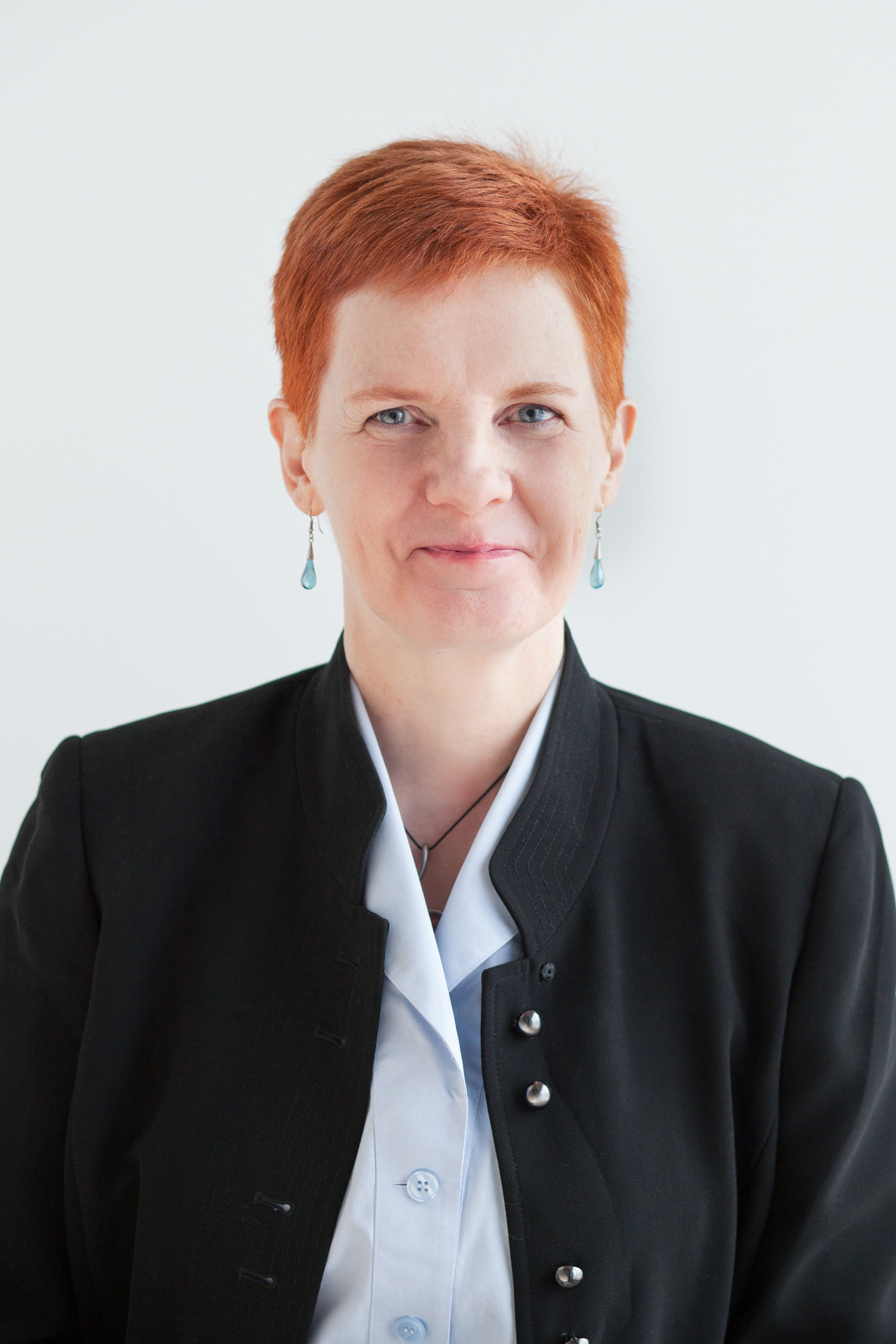
Ruth Pearce is President and founder of Project Motivator (ALLE LLC) offering project leadership services and training and coaching for project managers. She is a Certified Coach Trainer. With 25 years of project and program management experience in financial services, state government and non-profits, working with teams across the globe, her focus is developing skills in human factors enabling leaders to build empowered and engaged teams that deliver. Using character strengths and positive psychology, she helps project leaders and their teams feel better about work. They find their purpose. She is the author of Be A Project Motivator: Unlock the Secrets of Strengths Based Project Management.
Ruth speaks about social intelligence, character strengths and mindfulness to audiences worldwide, online and in person and has reached over 16000 people worldwide to date. She has spoken at three live global PMI events as well as many PMI Chapter meetings. She also contributes to PMWorld360, Forbes magazine, and the project management platform ProjectManagement.com. She has been a guest on numerous podcasts and was interviewed by Dr Ryan Niemiec, Director of Education for the VIA Institute on Character.
Her motto is Be hopeful; Be strong; Be brave; Be Curious
Ruth’s signature strengths are Appreciation of Beauty & Excellence, Bravery, Curiosity, Fairness and Gratitude.
Get in touch with Ruth:
Website: www.projectmotivator.com
LinkedIn: linkedin.com/in/ruth-pearce-projectmotivator
Twitter: www.twitter.com/ProjMotivator
Brett Harned: Hey. Welcome to Time Limit, the podcast that
aims to provide advice from experts on how to manage your projects,
your teams, and even your time, with ease. This week, we're
talking about a topic that affects everyone, and that's
motivation. Ruth Pearce joined me for this conversation, and I think
that the outcome is full of great advice. In the interview, we talk
about Ruth's book, Be a Project Motivator, and her views on how
to be a motivator, and how to be motivated. Ruth is the perfect
person to speak on this topic, not only because of the book, but
because she's a seasoned PM and a coach. I love her knowledge,
understanding and even her approach on this topic, so check it out.
All right. I'm so happy to have Ruth Pearce with us today on
Time Limit. Ruth, how are you doing today?
Ruth Pearce:
I'm great. Thank you. How are you, Brett?
Brett
Harned: I'm doing really well. And I'm really
excited to talk to you about motivation. Really love the topic of
your book, Be a Project Motivator: Unlock the Secrets of
Strengths-Based PM. What inspired you to tackle this topic
overall?
Ruth Pearce: I think that's my
favorite question to be asked.
Brett Harned: Oh,
good.
Ruth Pearce: What motivated me, right?
That's the question.
Brett Harned: Pretty
much, yeah.
Ruth Pearce: So what motivated me was
really my team, a particular team that I worked with. It was a few
years ago, and when I started with them, they were a little
discouraged. And they'd been going through some tough times
with the program and the project, and I took over the project, or
the program. It was a large program. And we started doing this work
on character strengths, and really had a great time just changing
the dynamic of the team. And we tackled all sorts of things like the
layout of the room. It was really about empowering the team to see
the best in themselves, see the best in each other, and then really
work together to create a positive working environment. And we did
lots and lots of things to do that. We rearranged our open plan room
so that it was more conducive to getting work done. We implemented
things like quiet time, where we told the other programs that if
you're going to talk to us, you need to book a meeting room
somewhere else and give an invitation, because between 2:00 and 4:00
on these days, it's quiet team for the IT team to get on with
some work.
Ruth Pearce: And that was a great
relief to people, was to know that there were carved out times that
were meeting free and were quiet. Just that quiet, focused, not
needing to be disturbed by lots of conversation going on and things
like that. And when the program was over and we went our separate
ways, and some of us have still kept in touch, the team actually
encouraged me to write a book about it. And my first reaction was,
hm, I'm not sure that I can write a book. And I'm not sure
that people would want to read it. And they kept saying, "Write
it, write it. Share what we did and share these ideas with other
people." And one particular person kept pinging me about it,
and asking me what was stopping me. And underneath it all, there was
this urge to be able to share these ideas with other people, so they
could make use of them.
Ruth Pearce: So they were
tapping into that motivation I kind of had that was being stifled
by, I don't know, shyness, or a sense of humility, or whatever
it was that was getting in my way. But they were really reaching
into something that was already there, which was this, hey, it
worked for us, so maybe it can work for someone else. And how can I
share this and get it out to other people?
Brett Harned:
I love that. That's so exciting. I mean, it's you
repositioning the question of what motivated me, I mean, how
perfect. But also, how perfect to have your team motivate you to
write a book about the practices that you've rolled out with
them. And obviously, that was a really strong working team. And you
must've put out some really good projects and made some really
good relationships along the way.
Ruth Pearce:
Yeah, definitely. The relationships became very strong. And
actually, we were in multiple locations, so the relationship
building was virtual. I know that's the question that comes up
for a lot of people is: How do make these kind of motivation things,
connecting with people, engaging with people, how do you make it
work across the internet and across time zones and across cultures
and geography? And we really experimented with that and put a lot of
things in place to make the team feel as close to each other as
possible, even though there was this remote aspect. And that seemed
to work quite well as well. And one of the things that I
particularly noticed was that this tool that I use, character
strengths, the character strength survey, really does ... The
research that was done on it shows that it is a universal tool, that
it's all of the strengths are recognized by all cultures around
the world, and that so you really can use it with anyone,
anywhere.
Ruth Pearce: But I really experienced
that with this team, that it seemed to connect with people wherever
they were, and whatever their cultural background was. And that was
really nice as well because that really helped the team bond because
they shared this interest in that topic, and we wouldn't
necessarily have expected that from if we did a different kind of
assessment or something, we may not have had that same sense of
connection and shared experience.
Brett Harned:
Absolutely. So I kind of want to take this back probably a half
step. For those of us who don't know, can you explain strengths
based project management to us?
Ruth Pearce: Yes.
My second favorite question to answer, so that's perfect.
Brett
Harned: I'm batting 100.
Ruth Pearce:
So you are. I'm going to pause and just gather my thoughts. So
strengths based project management, my experience of project
management early on in my career, and I've been a project
manager for longer than I care to admit, was that we were driving
things, that we were kind of hopefully getting together with the
team to come up with the basic plan. But then we're that
taskmaster saying, "Is it done yet? And are you on time?"
And I know there's the image of the project manager sort of
with a clipboard and checking off boxes and things like that. And
that never really sat well with me, that sort of very process
focused aspect of the project management, was the least interesting
part. It's important, we need to be doing it. We need to be
managing to the plan and adjusting the plan and all of that kind of
stuff.
Ruth Pearce: But it wasn't what really
appealed to me. It was that team aspect, and how you get a team to
work together well, and to flourish. And what I started to notice
was that we can get very hung up on functional titles, functional
roles. And we can pigeonhole people. And it was actually a discovery
I made by accident on a particular team, was when we were trying to
work something out, and somebody mentioned to me that another member
of the team in a past life had experience of the thing that we were
trying to get to. It was to do something data analysis that we were
doing. And they said, "This person used to be a database
analyst," and that they might be able to help out. And that
wasn't their function anymore.
Ruth Pearce:
And so I went and spoke to them and said, "Is this something
that you would have some interest in helping out?" And their
eyes lit up. And they said, "Oh, yes. I actually really miss
that. I'm glad I have the job I have, but I miss that aspect of
my previous role. And I would love to help out." And it just
triggered this sense that we're missing out on those intrinsic
motivators that people have, the things that they are passionate
about, that we're not tapping into. And so I started to look
into this concept of: How do you play to those passions, those
strengths, those things that people really connect with? And
that's where the strengths based piece came in. So I'm
trying to encourage people to shift the focus, not completely away
from process and the sort of standards of project management, and
the cycle we go through. I'm not saying throw that aside.
Ruth
Pearce: But what I am saying is focus some attention on your
people and knowing those people, and understanding what their core
strengths are because those are their drivers. Those are the things
that really motivate them to show up and get stuff done. And if you
can align what they're doing with what they feel most strongly
positive about, then they're going to give more. They're
going to be more successful. They project is going to have more
chance of success. And because I use this, I use multiple tools, but
I use this tool the VIA strength survey, it's about character
strengths.
Ruth Pearce: And so I've focused
the methodology on this strengths based project management of start
with the character strengths of your team, and then work from there
to see. How do you align the team? What do you need in the team that
maybe isn't already there in terms of strengths to really sort
of bolster the team at different phases of the project and so on? So
strengths based project management is this approach to looking at
your team members and your stakeholders and your customers, and
I'll assume they're part of the stakeholder group, but
looking at those people in terms of these character strengths, which
are their motivators, and understanding what makes them tick, so
that you can get them behind the project in the most effective way,
and not just be constrained by what function you've been told
they play. That this person is a business analyst, and this person
is a quality assurance person, and this person is a designer. Look
beyond that to see what really connects with them. Play to their
strengths.
Brett Harned: I love that.
Ruth
Pearce: It's going back to the old adage, play to the
strengths.
Brett Harned: Absolutely. I like the
idea of kind of putting the basics of PM, things around process and
things like that. Those things are important. Right? But setting
them aside to focus on the people, because to me, the people is
really what will make your project happen. So the more that you can
work with them to identify where they can help out, even if
that's outside of their role, is a motivator in and of itself.
Right?
Ruth Pearce: Exactly. Exactly.
Brett
Harned: That's the kind of thing that as a PM, getting to
know those people, it should be a motivation to get to know those
people so that you can get the most out of them and get the best for
your project.
Ruth Pearce: Yeah. And they feel
more seen. They feel recognized because they are people beyond the
function that they play at work. You get into what motivates them in
their personal life. You start to hear about teamwork doesn't
just exist in work. They use teamwork when they're home with
their children, helping them with their homework, or with their
partners getting dinner ready for the family. And they're
working together side by side to get that done, that's teamwork
too. So it sort of extends beyond that work life, and really helps
to integrate the different parts of our lives. So I don't
really like that thing about work life balance because it's all
life. We spend too much time in work to be saying it's
something separate. And it also cultivates the idea that work is
something that you slog through in order to get to real life at the
other end. And that's a pretty depressing way to spend your
working life.
Ruth Pearce: When you can touch on
these core motivators, they spread across that boundary. And you
start to really connect with the whole person and make them see the
connection between themselves and what they're doing in the
workplace, as well as what they're doing in the rest of their
life.
Brett Harned: Absolutely. So I know that
I've managed a lot of projects where something happens and the
project goes sideways, the team loses interest, maybe morale goes
down. And it's tough, right? And it happens fairly often, or at
least it has happened fairly often in my world. And I'm
wondering, in your career as a project manager, was there a time
where you faced a challenge in actually motivating your team and
trying to get work done? I'm wondering if you're willing
to share an experience.
Ruth Pearce: Many times.
It's hard to pick. I've worked on many projects and
programs that were very large and complicated. I've very often
worked in environments where it's been multinational, so many
of the organizations I've worked for have been the US presence
of an overseas entity, so the US branch of a French entity, or a
Swiss entity, or a German entity. And that complexity of head office
interest versus local interest, like you could be in the middle of a
project, and suddenly head office says, "You know what, this
isn't the priority anymore because there's a regulatory
requirement in one of the other locations, and we have to switch
focus." And now all of a sudden, the work that you've done
seems to be for nothing, and that can be really hard.
Ruth
Pearce: Sometimes there's just the general strain of
projects that go on a long time. I worked in one particular
organization where we did a major, major conversion program, and it
was three phases. And we started the first phase with this sort of
flush of enthusiasm. Everyone was excited. It was going to be the
new, shiny thing. The new system was just going to be incredible. It
was going to make everything work so much easier. And then of
course, the reality hit that it's very hard work to switch from
an old system to a new system with all the conversions and testing
and all of that. And then we got to the second phase, and everyone
kind of had conversion fatigue, and that was very hard.
Ruth
Pearce: And the third phase, we really did have it scaled
down, so we lost some people who were no longer on the project
because the third phase was much smaller. So then we had the
demoralizing aspect of people we'd worked alongside for a
couple of years were now no longer part of the project. And in a few
instances, where they were freelance contingent workers, they were
no longer with the company, so there was that sense of loss as well.
So yes, definitely, that's just one example I can think of.
Ruth
Pearce: And what strikes me every time, it's a couple of
things. One is modeling. It's very important that we model the
behavior we want to see. And that doesn't mean to deny the
difficulties that we're facing. I think that's one of the
challenges that feel ... People who are in a leadership role, is if
you're feeling stressed, if you're feeling depressed, if
you're feeling overwhelmed, or that maybe this project
isn't going to come off, or whatever it is, do you share that
with the people around you and potentially bring their mood down? Or
do you keep it to yourself, and maybe talk to your friends and have
a drink at night to help you feel better? And what I've found
is there's a balance to be struck, which is, if you don't
share it, pretending it isn't there doesn't mean it
isn't there. People's sense of dismay or frustration
doesn't go away because you don't talk about it. And in
actual fact, it can get worse because then you encourage cooler
conversations. And people start to sort of G each other up, and then
they don't feel able to talk to you and find out what's
really going on.
Ruth Pearce: The more senior you
are, the more actual facts you can share, so that's something
else, is to be able to give people real information. And then
balancing that with hope, and I think hope is one of the key things
that is very important, and is also very often misunderstood, is
that people think that hope is about wishful thinking, or an
optimistic, it will be all right on the night. It will all come
together kind of sentiment. And in actual fact, what research shows
is that hope has two components. One is that future looking, goal
oriented, problem solving, this is what we're moving towards,
we're going to get to. And then the second component is agency,
so taking steps towards that goal, not just sitting there and
saying, "I think it will work out," but starting to figure
out. Well, what's one step I can take to move towards it?
Ruth
Pearce: And if you as a leader can incorporate those two
things, acknowledge the difficult sensations, talk about the
difficult emotions, talk about the losses and challenges,
particularly when people are no longer working with you and things
like that, let people express those, and then move it to: Okay,
what's our vision of the future? And what steps can we take,
even if they're tiny steps, even if they're baby steps,
what can we take to move forward towards that future that we want to
have happen? And then people can feel, again, empowered that they
have some choices, they can make some contributions. And they start
to feel more positive about moving forward to the next step and
getting things going again.
Brett Harned: Yeah. I
think that's so important. It's almost like you read my
mind because I did want to ask you about how to handle the stress,
how to be a motivator and kind of always have that game face, or
even that friendly face on in times where things are just coming at
you, and they're not going your way. And for me, as a leader in
an organization, it was always important to have that certain person
that I could go to and speak really frankly with, and maybe talk
about the things that I wouldn't share with the team. I'm
not sure if you agree with that. But it feels like there's kind
of two, or maybe even three levels of information that you might
want to share in a team setting, and not everything needs to get
through to the team. Do you agree with that?
Ruth Pearce:
I do agree with that. Yes, I do think a very important role
of the project manager is to be that shield, the umbrella, and to
filter information. They do not need to be bombarded with
everybody's mood change. We've had sponsors that are sort
of, they blow hot and cold. And they're enthusiastic about a
project one day, and then the next day, they're not so sure
anymore, and things like that. And the team certainly doesn't
need to be dealing with that. I very strongly feel that a mentor is
a great thing to have, which is to have that person that can be the
sounding board, can listen to you, and can even help you explore
which pieces to share and which not. I also think there's a lot
of value in having opportunities to share in a more informal
setting. So that delineation between work and outside work, or the
workplace and outside the workplace, having a night out somewhere,
or a meal out, or something like that can often offer the
opportunity to explore a topic that if it was discussed in the
office, or wherever you work, might feel too official, and sound
like you're conveying information in a more weighty way than if
it's just a casual conversation.
Ruth Pearce:
And you can ask people, "Well, how are you feeling at the
moment? And what's going on for you at the moment? And you
heard this news the other day. What did you think about that? Or
what are you hearing?" Asking questions about what are you
hearing, the whispers in the corridor, and that kind of stuff. So I
think that informal exchange is very important as well. But I do
think having someone who, as the leader and project manager and this
umbrella, you can talk to frankly, as you said, and just be very
open, so that you can get it off your chest. It could be a coach. It
could be a mentor in the organization. It could be a coach.
Ruth
Pearce: Another thing that works really well is there's
lots of research that has been done on this, particularly by
[inaudible 00:19:15], is that writing, writing about your challenge.
Handwriting is supposed to be best, but even typing. And you take 10
minutes or 15 minutes, and you just write. No editing, no going back
and putting in punctuation, or anything like that, you just write
about whatever is on your mind. And putting it out there on paper
really helps you get a different perspective and clarify it, and
kind of offload it. So even if you don't have that person to go
and talk to, you can talk to yourself in this different way by
writing about it. And it's more effective than talking out loud
as well. So an option is to record yourself or something, and listen
to what you have to say. But writing really makes that connection
for the brain to be able to process the information and take a look
at it in a different way.
Brett Harned: Sure. Like
you said, it's almost just like getting it off your chest, and
knowing that someone's heard you. But I think what you
mentioned that's most important is doing it with someone who
can help you, someone who might give you perspective and make you
think about the issues or challenge in a different way, so that you
can be better personally. And I think that's really
important.
Ruth Pearce: Yeah. And ask questions as
well. We all have biases and assumptions that we work with. We fill
in the gaps in the information. So if we're getting information
piecemeal in an organization, for example, we will create a story
for ourselves that makes sense of those pieces of data. And to have
someone else outside say, "Well, how real is that? How sure of
that are you? Where do you get that information from?" And you
start to realize, well, you know what, only 10% of that is actual
data and information. And the other 90% if what I've given to
myself as an explanation for what this picture looks like. And
having that other person just ask those questions and challenge your
thinking can switch your thinking, can change your perspective and
make you less certain of a story that is just a story that you came
up with.
Brett Harned: Absolutely. So I mentioned
earlier that motivation is a pretty big topic, at least in our
sphere at TeamGantt with project managers because I think PMs find
motivating others a challenge, often because they're not
directly responsible for, or actually managing team members. I know
that I read somewhere that you said, "Even if all you can do is
work on yourself, that's enough to influence those around
you." Can you talk a little bit about what kinds of things we
can do as individuals to help build that influence?
Ruth
Pearce: Absolutely. So I mentioned before about modeling,
that I think modeling is very powerful, and there's lots of
research that shows that. And what I've found is that in
organizations where maybe the organization doesn't buy into
this sort of team building, focusing on team building, or certainly
having a project manager do team building, if the project manager
can find a way to explore their own motivation. And again, I always
recommend the character strength survey because it is evidence
based. It's research. But also, it's free. The basic
survey is free, so anyone can go and find out at least the
beginnings of this, so it's very accessible, is that what you
find is when you start to see these strengths in yourself, and you
start paying attention to where they show up, when they show up, and
when they don't, maybe if you're really observant,
you'll start to notice when maybe you overuse a strength.
Ruth
Pearce: So for example, one of my top strengths is curiosity.
And for the most part, it's really useful. There are times
though, when I'm stressed, when it can be quite painful for
other people. And the example I always give, but it is a very
legitimate example, is that if I go to a party or a gathering of
some sort where I don't know many people, and I've been
doing that a lot recently because I've moved, and so I've
joined a different chapter of the professional organization I'm
a member of, and things like that. I will meet a new person, and I
ask them questions like it's going out of fashion. I ask a
question, they answer it. And then I ask another question, and they
answer it. And I ask another. And by the end of it, they're
sort of backed up in a corner wishing I would go away because my
stress is such about being in this group of strangers that my
defense mechanism is to ask lots of questions.
Ruth
Pearce: Now that's my strength being overused. And to be
able to notice that, I don't need to have any discussion with
the other person, as long as I can observe that for myself. And I
know that curiosity, I now know because I took the survey years ago,
and I keep taking it just to see if anything changes, I know
curiosity's very important to me. That absolutely feels true.
When I saw that in the results, I was like, "Oh, yeah.
That's me. Curiosity's a high strength." But I can
start looking then at: How do I use it in the best possible way? And
I've started noticing now when I'm in a social context
that I'm not giving the other person space to come back with a
question, or to expand, or make comments, or whatever it might be.
I'm also [inaudible] them more open questions, so they can be
more discussive and all of that.
Ruth Pearce: And
that's just me working on it by myself. And other people can do
that too, so they can start to observe their own strengths, get
familiar with their strengths. Think about how to use them more and
less. See which ones ... People always get hung up about the
strengths that are at the bottom of the profile. There are 24
strengths, and they always go to the bottom. And they assume those
are weaknesses, and they're not. They're strengths. We
don't measure weaknesses with that survey. They are strengths
that we're just less comfortable using. They don't come so
naturally. But we can look at those and say, "Well, do I want
to focus more attention on that?" And when we start to do that,
what we notice is we get happier, all associated with increased
wellbeing. When other people see you seeming happier, less stressed,
more positive, more engaged, they want some of that.
Ruth
Pearce: In the best case, they ask you about it. What are you
doing? It seems like things have been different recently, whatever.
And they'll ask questions. But at the very least, they'll
start copying what you're doing. So if you can then incorporate
things like starting to be brave and spot other people's
strengths, they'll start doing it too. So one of my favorite
things to recommend to people to do when I'm doing workshops
and things, people very often say to me, "So how do I start
this?" I say, "Have a list of the strengths." And it
could be the ones that I use. It could be some other instrument that
you really like. Have a list of them in front of you. And when
you're in a meeting, instead of having your phone under the
desk and sneaking a peek at social media because the person speaking
is not keeping your attention, have that list and listen to them
talking. And highlight strengths that you recognize in what
they're talking about.
Ruth Pearce: And then
after the meeting is over, go to them and say ... Highlight the
strengths that you saw and tell them why you appreciate it. We call
it the SEA method, so it's spot it, explain it, and appreciate
it. So explain what you saw, where you saw it, so they can repeat
the same behavior in the future if they want to. And then express
your appreciation of why that mattered. So you saw their kindness
when they offered support to a colleague who's going through a
tough time at the moment with a sick partner, or something like
that. And I really appreciated that kindness because it meant we
could move on with stuff without putting too much pressure on that
person. And share that. And what you'll start to notice is,
first of all, it feels really good when you do it.
Ruth
Pearce: They will always be positive about it. I've
never, ever had anyone say, "What? You think I'm
kind?" [inaudible] thinking unkind, because they're all
strengths. And they're all universally recognized as strengths.
So no one's ever going to hate the fact that you point it out,
so you don't have to be afraid of it being wrong. And
you'll see they start to do it to other people because
you're modeling this behavior. So then they'll start
saying ... And they may not use the same language, they may not use
the language of the character strengths like I do.
Ruth
Pearce: They might say, "I really see how diligent you
are when you follow up on this stuff." Well, to me, that's
perseverance. But I see how diligent you are. You always go the
extra mile to find out just a little bit more about what we're
talking about, and it really means we come up with a great solution.
And it just ripples. It's amazing. So you start with you,
practice your own practice diligently, and you'll see other
people start to copy you. And so that's why I say if you can
only work on this yourself, do it because you will influence the
people around you by that work.
Brett Harned: Yeah.
That was great. I mean, what a simple way of engaging someone,
making them feel good about themselves, and then also motivating
them to keep doing that great work. That's such a great way of
interacting with people. I'm curious. One of the things that
you mentioned was that curiosity is kind of a high strength. Are
there any other strengths that you think that PMs should possess, or
maybe even work on?
Ruth Pearce: So that's an
interesting question. And it's something that comes up quite a
lot, especially when I'm doing workshops and presentations, is:
What's the perfect profile for a project manager?
Brett
Harned: That perfect one.
Ruth Pearce:
Perfect profile. What should project managers look like? What do
the best project managers look like? What are their top strengths?
And my answer to that is that I don't believe there is a
perfect profile. I don't think there are strengths that project
managers ... How do I put this? If they get their strengths profile
back, and particular strengths aren't at the top, they
shouldn't start saying, "Wow, I shouldn't be a
project manager." That's not what this is about.
Brett
Harned: Great.
Ruth Pearce: What it's
all about is optimal use of your strengths. So I always give the
example of leadership, that I've worked with people whose
leadership strength based on this assessment I use, is not
particularly high. It might be in the middle. It might be down in a
more in the sort of high teens. And so they look, and they say,
"Well, I'm in a leadership role. And how do I do that? How
can I be effective if leadership is not my top strength?" And
then what we'll do is we'll take [inaudible 00:29:19]. If
we can, we'll get a 360 assessment going, so that they get
feedback from other people. And we'll get examples of where
people felt they were an effective leader. Describe the situation,
and then look at their top strengths. The top five to seven
strengths in a person's profile is what we call signature
strengths, which are the ones that are our go to strengths, and we
use all the time in practically every domain.
Ruth
Pearce: And I'll have them look at those strengths and
say, "Okay, given that scenario that's being described to
you, or you've identified yourself, how did your top strengths
play into that?" And people will realize that different aspects
of their profile support them in combination. You don't use one
strength at a time. So it's not that you need this one strength
or these two strengths. It's about how you blend the strengths
that you are really comfortable using. So for example, appreciation
of beauty and excellence, which is taking pleasure is an example of
that, where you stand out in nature, and you're just amazed by
the beauty of the trees, or whatever it is.
Ruth Pearce:
But it's also seeing the excellence in somebody
who's skilled. It might be admiring an amazing violinist, or
whatever it might be. And using that strength is really useful for
spotting the skills and contributions of a team member. So you
don't necessarily have leadership, but you've got that
strength high, you've got that strength that allows you to
appreciate the contribution of each of your team members and
what's special about them. And then maybe you've got
bravery as a strength. That's not typically a signature
strength, but you have bravery. Well, now you're brave enough
to speak out and actually share that with them, and be able to say
to them, "I really appreciate this," and at other times,
having brave conversations about where maybe the person is not
delivering what they're obligated to deliver under the contract
that they're working under.
Ruth Pearce: So
that bravery comes into effect, and that's part of it.
Gratitude is one where being able to express gratitude, feel it, and
express it, is really, really great in a team situation. But each of
the strengths is like that. If we look at the blend of people's
strengths, their top five strengths, I've not seen a profile
yet where after we've done this exercise, people scratch their
heads and say, "Wow, I really should not be a project manager.
Or I really shouldn't be whatever it is." It's about
optimal use of the strengths that accord to you.
Ruth
Pearce: The one thing I will say, though, is that I've
been doing some research about project managers and the strengths
that show up for them, which ones are most commonly reported as high
strengths, and which ones are not commonly reported as high
strengths. And one that stands out as, it's not down at the
bottom, it's not terrible, none of them are terrible. The
lowest strengths are not terrible, but the one that stands out is
social intelligence. And I have wonderful conversations with project
managers at workshops where I'll say, "What do you think
the importance of social intelligence is?" And they'll
say, "Well, it's critical to a project manager because
you've got to engage with people and read people and respond to
them appropriately."
Ruth Pearce: And then
I'll say, "And where do you think social intelligence is
for project managers on average?" Obviously, there are some
that have it high and some not so much. But on average, where is it?
And they look, and they think about it. And they go, "Now I
come to think about it, it probably isn't one of our highest
strengths." And they're right. It is on average, we rank
social intelligence lower than a general population. I usually use
the 600,000 people who took the survey in the US. We rank it lower.
And that means potentially we rank social intelligence lower than
our colleagues on our teams because they are the rest of the world.
So that's one strength. And of course, there's tons of
research done by lots of people showing the emotional intelligence
and social intelligence are huge predictors of success in a
leadership role, or success in teams, team building, and successful
teams.
Ruth Pearce: So I do think that is a
strength that is worth thinking about, and how we can build it. And
the beauty is that doing this strengths work, having a strengths
focus, builds that social intelligence because you go actively
looking for the core things about the people around you. And as I
say, I always refer to this one particular assessment. But there are
different ways of doing the strengths thing. You don't have to
use this particular assessment. Some people are familiar with the
Gallup Strengths Finder, for example, and do all the same things
with that. So that strengths focus and really actively looking for:
What are the people around me contributing? What is it that seems to
excite them? Having conversations with them about: What is it that
you most like about the role? What do you want to be doing that
would make you feel more connected and more comfortable and
confident in your role? Really probing into that, that builds social
intelligence.
Ruth Pearce: One of the things that
is amazing about these character strengths is you can change it.
There's more and more research that shows you can change your
personality. We used to think personality was kind of fixed. And the
evidence is showing now that that's not the case. So you can
work on that social intelligence. And it does seem to be a key
element in building teams, so that's the one strength that I
think ... I talk about social intelligence a lot when I do workshops
and stuff because of that, that it's so core to team building.
And it does seem to be one area where some project managers maybe
want a little help in building it up.
Brett Harned:
Absolutely. I think that makes tons of sense. I mean, I think a lot
of the work that you can do to motivate a team is based on who they
are, kind of like what you describe, so spending the time to get to
know those people and understand what motivates them is going to
benefit you in the long run, so that absolutely makes sense. All
right. So I want to ask you one final question. So as you know, the
podcast is called Time Limit. We're kind of giving a nod to the
fact that everyone's doing our best work with limited time and
resources. And I think project managers often find themselves
stretched for time, working on multiple projects with multiple team
members and stakeholders. It can be tough when you're trying to
build relationships and get people to do their best work and work
cohesively. So I'm wondering if you have any quick tips that
maybe can help to motivate team members to make good process, but
maybe things that don't take so much time. And maybe these are
things that happen after you've done some of the survey work
and discussed strengths.
Ruth Pearce: Some of it
can come from that. I think one of the things that definitely comes
from doing that work if you have the time to actually spend a bit of
time doing some exploration of that, one of the things that I find
more and more, as I'm talking to project managers, is this
challenge of communication. And I often talk, because that's
what we do so much of the time, there are statistics that show that
we spend 90% of our time as project managers communicating, and
it's very time consuming. And one of the things that I think we
do is we try to be efficient by minimizing the different ways that
we communicate.
Ruth Pearce: I had a conversation
with a coaching client where this came up, that she didn't want
to tailor the communication because that seemed very time consuming.
And then what I often ask audiences is, as project managers, have
you ever had the experience where you compiled this absolutely
amazing email on Monday, could be any day of the week, but
you've compiled it on Monday to give an update to everybody on
where we stand with the project. And in your mind, it's got
everything in it that it needs. It's got visuals that support
what you're saying. You've got key performance indicators
included. You've got details of everything that we've been
doing, the tasks that have been completed, the things that are
coming up. You put it all in this amazing email, and you send it out
on Monday.
Ruth Pearce: And you spend the whole of
the rest of the week trying to backtrack from that email because
basically, you've confused everybody. The people who want high
level information got bombarded with information, couldn't find
what they needed. The people who like really detailed information
don't like the sort of high level introduction, and they want
detail on something else, and you haven't gotten detailed
enough. There are people who are visual who don't like the
wordiness of it. There are people who just want it in words. There
are people who'd rather be told in person. There are other
people who'd rather have a meeting, and someone else, who maybe
would like you to video the update and do it as a vlog instead of
sending it out as an email.
Ruth Pearce: And I
think one of the things to do is to really consider the
communications methods you're going to use. And you can't
obviously, if you've got 100 people involved in a project, you
can't do 100 different ways of communicating. That would be
silly. At the same time, don't go too limited. And the time
spent on really effectively communicating with the different groups,
and how really understanding how they process information, so that
you tailor the communication to maybe four or five different ways of
communicating the same things at different levels of detail and so
on. I think that pays huge dividends because you're one and
done. You send out the information. And you may have two or three
people that it requires a call to them. From the get go, it requires
a call, and you're walking them through it, rather than just
sending something out to them.
Ruth Pearce: So
because then if you communicate really effectively, you get to
communicate less because the people get it. And it builds trust,
that's the other thing, is that building trust, you said before
about relationship building, building trust is partly comes from the
other person feeling seen and understood. And so if the
communication is tailored to them, then if they don't get
communication for a little while because there's nothing to
tell them, they won't be saying, "Have I been left out? Am
I not getting the updates? Have I been [inaudible] of the email
distribution?"
Ruth Pearce: So you won't
get bombarded with that stuff because you'll have built that
trust that when there's something to say, you'll share it
with them. And so I think that's a really worthwhile investment
upfront, is to establish really good, effective communication, so
that you aren't constantly running from one person to the
other, hand holding them through what's going on in the
project. And that was a big learning for me, as I used to think that
I could come up with the perfect form of communication that would
deal with everybody. And what it does is it really doesn't deal
with anybody because it doesn't 100% suit anybody's
needs.
Brett Harned: I think this is all great. I
think if I could summarize it in a few words, it's focus on
yourself and your own behaviors, and focus on getting to know other
people and their behaviors. And it kind of opens up opportunities
for stronger communications, openness, trust and everything that
leads to better work.
Ruth Pearce: Yes. And what
I've found in my own experience is when we do this work with
the strengths based approach, and we focus on that quality of
communication, we end up with less to do because people will take it
and run with it themselves. And they'll come to you.
They'll let you know if there's a problem.
Brett
Harned: Absolutely.
Ruth Pearce:
They'll let you know that stuff is done. They'll keep you
informed because there's that trust and relationship there, so
you're not having to be the person that is chasing. You're
not following up because it's natural for them to have this
back and forth with you. So it's that upfront investment. One
of the things I always do on every new project I start, is I meet
with every single person on the project individually. And it can
take me four weeks to do it, depending on the size of the project or
the program. But meet with them and ask them lots of open questions
about: How are things going? Not: Do you think this is working? Not
closed questions. But how is it going? How is it feeling for you?
What's something you want to see done differently? What's
something you want to be doing differently? And I'll have four
or five questions, and I'll have each person answer it and see
what patterns come out.
Ruth Pearce: And I'm
not afraid to use a survey as well. I will survey people. I've
done that on projects, where I'll send out sort of a
satisfaction survey. And I always make the commitment to respond to
every answer, sorry, so even if an answer comes back, and
there's nothing I can do about it, I've had that a few
times, where people have said they want the commute to be shorter.
Well, there's not much I can do about that if the office is
here, and they live there. That's on them. But I'll always
answer their question and say, "I understand the stresses of
the commute." If I can I'll talk to them about: Do we
change the schedule, maybe? Because maybe it's easier to come
in at a different time or something.
Ruth Pearce:
But if there's really literally nothing I can do about their
problem, I will still acknowledge it because I want them to know
that I've heard it and seen it. And I'm aware that is a
challenge for them in particular. And that helps too, so it's
that trust building is so key. And then people will do things that
just amaze you. I've had people who stayed all night to get
something done. And no one's been more surprised than me.
I've come in the morning, and they're still sitting there
in the same clothes they were wearing when I left. And they decided
to do it because they have ownership and accountability.
Brett
Harned: Right. Well, Ruth, thank you so much for joining me on
Time Limit. It's been amazing. I think that there's a lot
more that we could probably talk about. Unfortunately, we don't
have any more time. But I am motivated to look into your book. And
hopefully, this conversation will lead some people to read your book
as well. I've read a few snippets, and it's really great.
I cannot wait to get it. It's on its way to me in the mail. But
we'll share links to a lot of the things that we've
discussed about in our show notes. And if there's anything else
you want to share, we'll do that too. But again, thank you so
much for joining me today.
Ruth Pearce: Thank you
very much, Brett. It's been an absolute pleasure.
Brett
Harned: Thanks. All right. That's all for this episode.
Thanks again for listening to Time Limit. Check out the show notes
for the resources mentioned in the interview, as well as more
information about Ruth Pearce, her book, and her work. You can check
that out at teamgantt.com/podcast, or where you're listening to
your podcasts yourself. And while you're at it, please leave us
a review. The more reviews, the better we'll be able to get
more experts to interview and help you out. And of course, I really
appreciate the help, so thanks so much. Come back for the next
episode, which will be all about project managers and how they can
lead the design process.