Empathy isn’t just critical to good communication. It’s the heart of effective leadership. Yet empathy often gets pushed aside in the attempt to project a “perfect” professional image.
With many people working from home in a year that’s been anything but normal, it’s time to break down the walls. No matter where you work or what kind of projects you manage, being empathetic can help you build deeper trust and connection with customers and coworkers alike.
Thankfully, empathy is a skill anyone can develop and improve. In this episode of Time Limit, Brett talks to empathy consultant Sharon Steed—CEO and founder of Communilogue—about empathy and communication in project management. Listen to their conversation to learn:
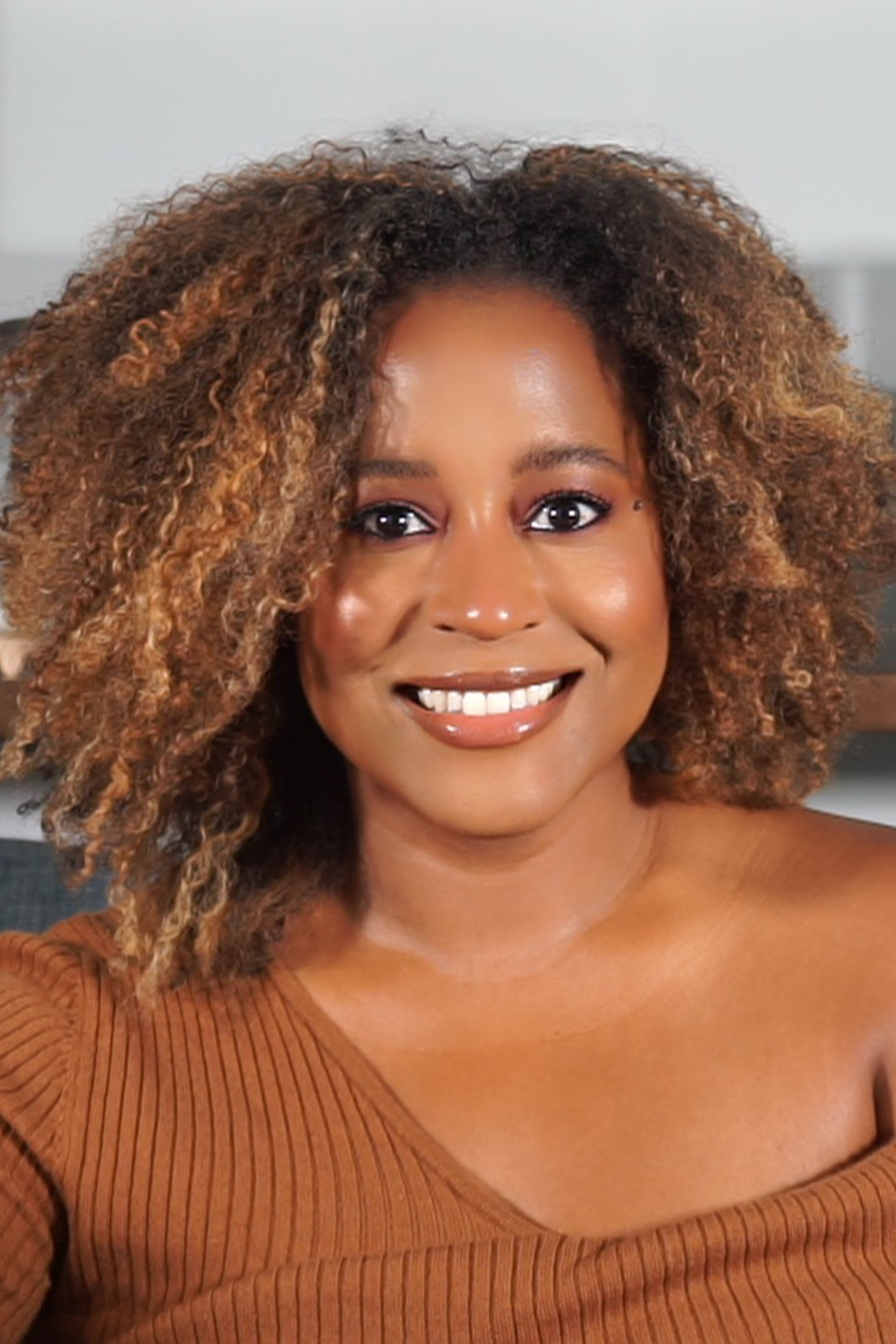
Sharon Steed is an international keynote speaker, author and founder of Communilogue, a corporate empathy and communications consultancy. She is a subject matter expert on empathy at work, helping teams revolutionize the way they communicate, collaborate and approach diversity and inclusion by engaging empathy.
Sharon has spoken at companies and conferences in 17 countries spanning five continents, with a focus on improving team communication and collaboration through engaging empathy and vulnerability as a professional asset. She has given a TEDx talk on empowering insecurities.
A lifelong stutterer, Sharon uses her speech impediment to both teach what empathy is and to inspire audiences to engage in empathy actions daily. An author and course instructor for O'Reilly Media, Inc., her eBook Empathy at Work is available in the O’Reilly library. Sharon’s LinkedIn Learning course "Communicating With Empathy" has over 400,000 views. A Midwestern native, she currently lives in Pittsburgh.
Brett Harned: Hey, welcome
to Time Limit, a podcast all about project management, leadership
and productivity. This is your host, Brett Harned. I'm the
Director of Education at TeamGantt. So, I'm recording this
episode in October of 2020, and the topic of this episode is empathy
and communications, and it feels really relevant right now for a lot
of reasons that I'm sure you can gather on your own. My guest
is Sharon Steed, who so happens to be an empathy consultant. She
brings a ton of personal experience to the table and then
immediately draws you in to want to learn more.
If you're
not familiar with the topic or what empathy consultants do, no
worries. You'll get that info straight from Sharon in the
interview right at the beginning. Then we'll dig into how to
practice empathy as a project manager, how to instill empathy in
others, and even how culture and inclusion can start with you.
It's pretty exciting. Check it out.
Hey, Sharon.
Thanks so much for joining me on Time Limit. How are you today?
Sharon
Steed: I'm great. How
are you, Brett?
Brett Harned:
I'm doing pretty well, thanks. I'm really
excited to have you here to talk about a topic that I think really
impacts a lot of us in business no matter where you work, no matter
the projects that you're working on or even the role that
you're in, and that's empathy. So, I've met you
through the Digital PM Summit where you-
Sharon Steed:
That's right, yeah.
Brett
Harned: In the Bureau of
Digital, where you've come and given some really impactful
talks on this topic. So, I think if folks want to check out those
videos, they can probably find them and we'll also share some
resources about you and your work in the show notes as well. But
let's dig in. I kind of like to start topics or conversations
like this at the super high-level talk, just to give people an
overview of what we're going to talk about. So, can I start
with just a definition of empathy? How do you personally talk about
empathy and what it is?
Sharon Steed:
So, all of my talks, I try to focus on just
really [inaudible], like "Here's what empathy is,"
but I come at it from a perspective of a person who stutters, and so
as a result of that I focus on communication as a way to really
engage in empathy actions. If you look in the dictionary, it's
defined as the ability to understand and share the feelings of
another person, and so I always say that, yeah, it's a fine
definition and it does sort of explain what empathy is, however it
doesn't really prescribe how one should approach it, right?
Brett
Harned: Mm-hmm
(affirmative).
Sharon Steed:
And so I say that empathy as a noun is an idea and it
is intangible, but empathy as a verb is a choice, and how you choose
to engage in empathy is going to change from person to person based
on each individual's desires and needs.
Brett
Harned: Yeah. Thank you for
that. I always think it's nice to hear from someone else in
their own words what something is, to level set the conversation,
and I like the way that you broke it down from being a noun versus a
verb. This is really interesting to me, really good way to put
it.
So, I asked
that because your job, so in your role you're an empathy
consultant, so wondering if you could talk a little bit about what
led you to your work and then what does your work look like?
What's involved in being an empathy consultant?
Sharon
Steed: Yeah, it's
actually just fascinating because it's a thing that I
didn't set out to do. I began my career as a writer because I
was always really concerned about having to physically talk to
people, and so I was like, "Okay, well I don't want to
talk to people so I'll be a writer and I won't have to
talk to people," and it turns out that, as a writer, you spend
like 75% of your time actually talking to people, and so I was even
more so obsessed with just language and communication than I had
been previously. And so, I had come to this point where I was so
terrified to just talk to people that I knew that I had to overcome
this fear. And so, I decided to just give a couple of talks on
stuttering and personal branding and those kinds of things. And in
my very, very ill-informed way, I thought that, "I'm going
to give a couple of talks and I'll be cured of this fear of
talking, and then I can go and live my life as a writer," and
that's obviously not what happened at all.
And so, as I
was giving these talks, people just kept coming up to me and saying,
"Hey, I really appreciate it, you talking about empathy,
because I think it's a topic that we, just as a society, we
have to learn how to have empathy for other people." And so,
over time, I developed this hypothesis of a best way to engage
empathy is through communication, and so, as a person who stutters,
I use my speech impediment to teach people, one, what empathy is and
the ways that we can really engage empathy, and then two, excuse me,
I have a little bit of a cold.
Brett Harned:
No worries.
Sharon Steed:
And then, two, that
communication and communicating, it's going to be a little bit
different for every single person and if you are uncomfortable or
insecure in the way you communicate, that's okay. I think that
people should still try to speak up, and just the process of trying
to communicate effectively and connect with other people is going to
be much better than taking yourself out of the conversation
completely. And so, that's what I really do in my consulting
practice. I give a lot of talks that range from 20 minutes to 60
minutes and I talk about the bigger ideas around communication,
empathy and things like insecurity, vulnerability. And then, in the
proper consulting practice, I facilitate workshops that are really
just conversations focused on people tapping into their own personal
experiences and their personal lives to be better communicators and
collaborators, and to create a lot more inclusive cultures on their
teams.
Brett Harned:
Yeah, that's great. I think what you do, in so many ways,
takes so much courage and it's almost like you've tapped
into this part of your life and the experiences that you can draw on
to help to teach people to be empathetic, to practice empathy within
their communications and even just within their beings day-to-day.
Part of me feels like a lot of folks drop that part of their
personality. I do believe everyone in some way has a heart, right?
And then there is empathy deep down in everyone, but people get so
mired in the day-to-day and the stress of work and life that
sometimes empathy is something that they don't practice. So, I
think you coming to the table bringing that experience and making
people think about it just feels so valuable to me. I'm sure
that the response you've gotten has been positive.
Sharon
Steed: Oh yeah, for sure. I
mean, I think that it's more than just about having people
think about things in a different way. I think I just, as a result
of my personal story with stuttering and me being onstage or now on
camera and stuttering, it really makes people feel things that they
don't always tap into in that professional setting. I mean, I
think that a part of the reason why my talks can be very impactful
is because I do make people really uncomfortable and then it's
in that discomfort that they then begin to think about, "Oh, I
could be doing something differently," or, "I have this
insecurity and it really is tampering my personality or my
productivity," and I can really figure out the ways to use all
of themselves in their professional lives. I'm a firm believer
that our weaknesses don't... Well, they don't have to keep
us from doing great things. They can actually assist us in creating
cool products or just being better people on a global sense.
Brett
Harned: Right. Absolutely.
I'm curious, in your work when you are working with an
organizations or even teams, what kind of issues are folks facing
that you're helping them through, or what kinds of challenges
might exist?
Sharon Steed:
I think that a lot of people, they don't always
consider that they are entire human beings and their co-workers are
also entire human beings, right? And so, they come to work and they
have all of these other things going on and their existence as
people and they're trying to push all of those other things
away and just focus on work.
Brett Harned:
Mm-hmm (affirmative).
Sharon
Steed: But the problem
there is that all of those other things that are going on are
affecting you, some of them in positive ways, other in negative
ways. But the really important thing that I'm trying to pull
out of people is that all of those things are going to give you
perspective, and so my whole goal is to get teams to see their
co-workers as full people who have experiences that can give the
team and the company perspective in order to be more productive, be
more collaborative and create better products and experiences for
the company's customers, consumers, clients.
Brett
Harned: Yeah, absolutely.
So, is it kind of like a recognizing that everyone brings some level
of baggage to the table and just recognizing the fact that
that's there and embracing it more so than just ignoring it or
trying to sweep it under the rug, so to speak?
Sharon
Steed: Oh, yeah. I mean, we
have a tendency to be like, "I'm tough. I'm good.
Here's all the things that I'm really, really, really,
really good at," and my favorite one is, "My greatest
weakness is that I sometimes work too hard," and it's
like, "No, [inaudible] things," but it's okay to
amplify the things that you struggle with, because it is going to
help you connect on a deeper level with both the people inside of
the office as well as your customers and consumers, because if you
are going through something hard, other people are probably having
that same kind of experiences and they're still engaging in
your products, engaging in your service. And so, yeah, I mean, the
goal is to really to get people to see their insecurities and
vulnerabilities as assets and to do the same thing with their
co-workers as well.
Brett Harned:
Absolutely. I'm curious. I've had this
theory swimming around in my brain for like the past year, and I
just had a conversation with a co-worker about it this morning, and
it's this idea of being professional and what professional
actually means now to people. I've got this thought that in
olden days, in days of yore, professional meant something entirely
different than what it means now. I think that for all intents and
purposes, folks like us who... Our careers were born in the digital
industry. The sense of being professional is far different than a
lot of other industries and I think that we've started to lead
change in that respect, in that people are not expected to wear
suits. People wear jeans and T-shirts. People, for better or worse,
use curse words in public and in meetings and things that some
formal folks would think, "Oh, man, this is so
unprofessional." But there are people in the industry that you
look up to because of that, and I do have this sense too that there
is empathy within that newer definition of professionalism. Would
you agree with that?
Sharon Steed:
I think so. And I mean, I think people are just
tired of this whole idea of cookie-cutter professionalism because it
only really encompasses one kind of person and this world is made up
of so many different kinds of people that come from a lot of
different backgrounds. I mean, I know that as a black person I would
go on these job interviews and people would be like, "So, are
you going to straighten your hair or are you going to leave it like
that?"
Brett Harned:
Really?
Sharon Steed:
And it's like, "But this is how I look.
This is my hair." And it's just this whole thing about
only one thing can be professional, and I don't know, I mean I
think that we just need to redefine what professional is, because
especially now, I mean, I'll be on calls or whatever and
people's kids will be playing in the background or the dog is
barking or... I was actually giving a talk a couple of days ago and
I was at my parents' house and my mom came into the room as I
was recording and I'm like, "Hey, this is my mom."
And all the people in the chat were like, "Hi, mom!" And
I'm like, "You know..."
This is what
it is now and I think that people are just tired of this very
unattainable person who is always on and has the, quote, unquote,
"right things" all of the time. And so, yeah. I mean, I
think that we're just in a new day and age where professional
is any person or situation who can just get things done and it
doesn't matter where you are or what's going on in the
background.
Brett Harned:
Yep, I think that's exciting, again.
Sharon
Steed: It is.
Brett
Harned: And you made such a
good point. I think the current situation with not everyone but many
people having to work from home, knowledge workers specifically
working from home, I think people are more patient and it's
almost like that empathy is just creeping in and I hope that we hang
onto it when things do get back to normal.
Sharon Steed:
Me too. [inaudible] Who
knows?
Brett Harned:
So... I know, right? You never know. I want to kind of move
back into your work and we were talking about empathy on the
individual level and building that, and part of me feels like
there's some organizational level to this that's really
important that almost, maybe mandates is a bad word, but at least
sets a tone. So, I'm wondering if there are any core values or
practices that organizations or even teams should hold or think
about or act on in order to make sure that they are building an
atmosphere that is empathetic?
Sharon Steed:
I mean, the first that comes to mind is
just transparency and this kind of goes back to the professionalism
thing.
Brett Harned:
Mm-hmm (affirmative).
Sharon Steed:
You being on and perfect all of the time
isn't helping anybody, especially people in charge. I know that
Satya Nadella from Microsoft, his son turned out to be disabled and
he was talking about, "Well, as a result of experiencing this
child that has a disability, I'm able to better empathize with
the people on my teams as well as in my organizations." And
there was a time when people who were CEOs of corporations just
don't talk about their personal lives. So, transparency, it
gives people the sense that you are a person who has an entire
existence beyond just being your job title.
Brett Harned:
Right.
Sharon
Steed: And so, that's
the first thing that I like to tell people, is to just be honest and
be as open as you can about the experiences that you have in your
life.
Brett Harned:
Yeah, I think that's really good advice. It's funny,
transparency and honesty is one of the things that I always teach or
at least mention when I'm talking about project management,
because it's one of those jobs where the whole world is coming
at you, right? Like, you've got clients and stakeholders and
team members coming at you with different things. You've got a
scope and a timeline. You're looking our for issues and risks
and sometimes it gets overwhelming and an issue pops up and you kind
of just want to sweep it under the rug because it's going to
throw everything off and it's going to cause problems. But if
you do that it's just going to make things worse, right?
Sharon
Steed: Right.
Brett
Harned: I feel like PMs are
in this position where empathy is so important, not only in that
vein of honesty and transparency but also just recognizing that
you're managing a team, like you mentioned before, who are all
different types of communicators, who are all doing different types
of work, have different types of professional and personal goals,
and you're wrangling them together to try to get one thing
done, and it could take 10 to 20 people to do that one thing. I
think the one place where PMs really struggle with empathy is in
this idea of always needing to know what's happening on your
projects, which makes sense, right? That is a part of project
management. Got to have your finger on the pulse. But there's
this thing that we do that's basically like a stop and chat or
a follow-up or a check-in, right? This thing where you're kind
of just wandering around the office or maybe you're checking in
on slack and just seeing how someone's doing, where they are
with their progress, and unfortunately it's something that we
have to do but it can also cause a strain on that project manager to
team member relationship.
So, I'm
wondering, from someone who really has empathy top of mind and
practices, what's your advice to those project managers who do
need to get those check-ins but they maybe are met with an annoyed
team member or someone who's not happy and just doesn't
want that person around? But how can you be good about tracking work
and following up on things in more of an empathetic approach?
Sharon
Steed: So, I like to talk
about these key empathy behaviors and these aren't going to be
things that are, it's like, "Only these three
things," but all of the behaviors that are going to push
forward empathy sort of fall into a few different categories and so
the first one I talk about is patience and the second one I talk
about is perspective.
And I think
that, as PMs, I think that it's important to... I know this is
going to sound very counterproductive, but to just have a little bit
of patience. Everybody is having a hard time keeping up with
everything that's going on, right? And so, you are in charge of
all of the aspects of the project but every single person on the
project has their own role and task. And so, if you just have
patience with people then they're probably going to also give
you a little bit of patience back, and I guess for PMs, a good way
to have patience is to say, "How can I help you get this
completed?" And there's a way to say things where
it's like, "Okay, so how can I help you get this done
faster?" No, no, no, it's, "Okay, I'm coming
from a [inaudible] place. How can I help? Is there anything that I
can do to get you to succeed?" Right?
Brett Harned:
Mm-hmm (affirmative).
Sharon
Steed: And then, in terms
of perspective, you always want to remind yourself that you
don't have context on every single thing that's going on
in this person's experience of life, and so, just always keep
that in the back of your mind. They could be going through something
very challenging at home or have another project that they're
working on that is taking up a lot of their time. And so, just
coming back to the "How can I help?" Question. That can
open the door to have a more sincere conversation about the things
that this other person is going through and why things are probably
taking a little bit longer than they, quote, unquote, "should
be". And, as a result of that conversation, this other person
is going to feel like you actually care about them and that you want
to see them succeed and not just get the project done.
Brett
Harned: Right. You said a
couple things there that really resonated for me, and the first is
being genuine, right? And you want that other person to know that
you care. So, first of all, you have to care, right?
Sharon
Steed: Yes. Always. Very
important fact.
Brett Harned:
You have to be the person who isn't just looking
for that update, right? You have to be genuine in that, and if
you're not, I think people see through that [crosstalk]
immediately.
Sharon Steed:
They do. Absolutely.
Brett Harned:
The other things is around context, and
I'm interested in your opinion on this because a lot of times
you will not have the context and part of me feels like you
don't necessarily deserve that context and that's part of
what being empathetic is, right? It's knowing that there is
context but you don't necessarily have the right to know all
about the ins and outs and the details of why someone is behaving a
certain way. Do you agree with that? Am I thinking about that the
right way?
Sharon Steed:
Exactly. [crosstalk] I mean, I feel that people are going
to share what they just do inadvertently and then they're going
to share the things that they choose to share. Beyond that, it
really isn't your business, and so what you have to get
comfortable in is that you don't know all the things that you
don't know, and you just have to leave it at that, and I think
that that also just goes back to trust and trusting that this person
is doing the best that they can, and that they aren't
intentionally just trying to just not complete things on time.
There's just a lot of other things going on in their life and
you have to trust that they are going in the direction that
everybody else on the project is going.
Brett Harned:
Right. Yeah, trust is so
important. We're heading on so many themes within project
management. This is an interesting... I'm curious, from your
point of view as an empathy consultant, how do you instill empathy
in leaders when it feels like they're lacking?
Sharon
Steed: So, I feel like
leadership is inherently an empathetic task, and so the good leaders
are going to know that and they're going to embrace that. The
bad leaders are just going to completely overlook that, because if
you look at what a leader is, they are a service person. They are,
quote, unquote, "in charge" of the team, but their job is
to make sure that every single person on the team has all of the
tools that they need in order to get things done, and so they are of
service to their team. They have been their team to those outside of
the team and they sort of keep things together inside of the team,
and so leadership is just... So, okay. The good leaders, again,
aren't going to get bad. The bad leaders, I think, are only
going to look at, like, "Well, I'm in charge and you have
to do the things that I say." Well, it's still a team and
all of you are there to work together in a very collaborative
format.
And so, if you
as a leader take yourself outside of that team framework, then you
aren't really assisting people. You are separating yourself.
And so, I think that the things that you want to tell those kind of
leaders to do is to come back into the circle here and have sincere
conversations with the people on your team, so they can tell you,
"These are the things that I need in order to feel supported
here." Because, I mean, that's your job, is to support
them into doing their job, right?
Brett Harned:
Right.
Sharon Steed:
So, some transparency in those
conversations is going to be helpful. And, I mean, some of the most
impactful leaders that I have seen have said, like, "Hey, there
are certain things about being a leader that I am insecure with or
that I struggle with. And so, I need to work on these things. Can
you tell me the things I'm doing well, as well as the things
I'm doing not so well?" It's almost like a personal
360 evaluation, just on your own time.
Brett Harned:
Yeah. Yeah, absolutely.
It's almost like we all have to work on ourselves actively in
order to give our best selves at work.
Sharon Steed:
Absolutely. Yeah.
Brett
Harned: Which is not a
shocking finding for anyone, I'm sure, but it's just one
of those things that you kind of forget for whatever reason until
you're in that moment and you're like, "Wow. This is
not great."
Sharon Steed:
Well, even then I think it's hard to... Because
we as people on teams, we all have tons of other things that we have
to do, and so if you are in charge, you have to add on all of that
other stuff, and so it's hard to take a step back and be like,
"Oh, wow. I'm not doing this one part of my job well and I
may not feel that I have enough time to really improve upon
it."
Brett Harned:
Right, right.
Sharon Steed:
Yeah.
Brett Harned:
All right, so we're coming up on time. I
feel like I could talk for another hour about this. It's so
interesting to me. Communications really feels like my sweet spot
and empathy is such a huge part of that. The last question I usually
ask guests on this show is related to the theme of time limit, this
idea that we're all managing work and teams and projects under
constraints. So, I usually ask for some recommendations but I feel
like, practicing empathy, there should be no constraints when it
comes to time or budgets, unless you're looking to formally
work with someone like you, right?
Sharon Steed:
Right.
Brett Harned:
But to me I think the question
here is, how, if I'm working in an organization that isn't
prioritizing empathy as a value, how do I do the right thing when
maybe that organization doesn't formally support me?
Sharon
Steed: Yeah, I mean,
that's a tough one. In my consulting practice, I've been
really, really privileged to work with companies that really
prioritize it.
Brett Harned:
Mm-hmm (affirmative).
Sharon Steed:
It's actually really funny how
that works. I get contacted by the companies that don't
actually have to have a personal empathy, and I never hear from the
ones that desperately, desperately need it.
Brett Harned:
Right.
Sharon
Steed: But a thing that I
like to tell people is that culture and inclusion can begin with
you. It only takes one person to make a shift in an entire
team's culture, and so as a communications-swayed person,
I'm always going to say that the first thing that you can do is
just re-evaluate how you approach conversations, and I say that
speaking is where we put all of our energy in conversations, but
people should focus on having folks speaking as well as listening to
be incredibly active parts of conversations. And so, it makes a
really big difference when people can tell that you are actually
paying attention to them and to the things they're saying and
to the things that they're feeling. And it really does just
begin with that. That's why patience is so important.
A thing that I
tell people is, just the simple behavior of repeating what people
said to you back to them is going to make a really big difference in
how this other person feels and thinks in this conversation. I think
that we rush through conversations incredibly quickly and we
don't always consider that there are a couple of different
goals here. One is to achieve the very specific task of the
conversation and two is to continue to build upon the relationship
that you already have with this person. Every conversation is going
to lay the groundwork for the next conversation, and so just put a
little bit more emphasis on just paying attention to what other
people are saying, and I think that it can have, or, I mean,
I've seen that it can have a very profound impact on the way
people just communicate with each other and the whole environment of
the team.
Brett Harned:
Yeah. I couldn't agree with that more. I mean, I just
think of it as someone who is slightly introverted. When I work with
or meet someone who is warm and welcoming and engaging, and does
some of the things that you mentioned in terms of practices within
communicating, I immediately kind of come out of my shell and
transform a little bit and become more comfortable. And I have to
think that that happens when someone intentionally focuses on the
way that they're putting themselves out there. That just tends
to build a better culture overall.
Sharon Steed:
Yeah, absolutely. You nailed it.
Brett
Harned: Well, Sharon, thank
you so much for joining me today. This has been really interesting.
I'm so fascinated by the work that you do and I hope people
look more into your work and your talks because it's really
good stuff. So, again, thanks for joining me.
Sharon
Steed: Thank you for having
me. This was a wonderful conversation.
Brett Harned:
Absolutely. All right, so that
was your primer on empathy and project management. Remember, being
transparent and genuine will help you to build trust, and
recognizing that others bring non-work baggage to the table and the
fact that you don't know if that baggage even exists or not is
something that you may never know. That's why empathy is
important and helps you to build better relationships with your team
members, your co-workers, and anyone else in your life.
So, thanks
again for checking out Time Limit. Visit teamgantt.com/podcast to
view the full show notes, along with Sharon Steed's bio and
links. And please give the show a like and subscribe, so we can keep
delivering great interviews like this one wherever you listen to
your podcasts. And of course, check out teamgantt.com for a
well-designed, easy to use project planning and management software
that can help you complete any project on time with the help and
collaboration of your team. I'll see you on the next episode.